
Car trailers are invaluable assets for individuals and businesses alike, offering a safe and efficient way to transport vehicles, heavy equipment, or other large items. Whether you’re transporting a race car, a work vehicle, or bulky machinery, choosing the right trailer material is essential for ensuring your load is hauled securely and efficiently. Car trailers come in various shapes and sizes, each designed for specific needs, and the material used to build the trailer plays a significant role in its functionality, durability, weight, and cost.
Common Materials Used for Car Trailers
The choice of material for a car trailer is pivotal as it determines how well the trailer performs under different conditions. Let’s delve into the four most commonly used materials: steel, aluminum, wood, and composite materials. Each of these materials has its own characteristics that influence its suitability for specific applications.
Steel
Steel has long been the material of choice for car trailers, known for its incredible strength, durability, and relatively affordable price. It is used in a variety of trailer types, including utility trailers, car haulers, and flatbed trailers. Steel is especially favored for heavy-duty applications due to its ability to withstand large loads and heavy use.

Pros of Steel
Strength and Durability: Steel is well-known for its strength, making it an excellent choice for trailers that need to carry heavy loads or endure rugged use. The structural integrity of steel trailers ensures they can handle the weight of large vehicles or heavy machinery without compromising performance. Steel is one of the strongest metals available, which makes it ideal for trailers that will be exposed to extreme conditions or heavy-duty hauling.
Affordability: Compared to other materials like aluminum and composites, steel is more affordable. This is an important consideration for individuals and businesses looking to purchase a trailer without overspending. Steel offers a good balance of durability and cost-effectiveness, making it a practical choice for those who need a trailer for everyday use.
Weldability and Customization: Steel is highly adaptable when it comes to customization. Its ability to be easily welded makes it possible to modify the trailer according to specific needs. Whether you need to adjust the length, add a ramp, or reinforce the frame, steel provides flexibility in design. This makes it particularly attractive for custom trailer builders or users who need to adapt their trailers for unique applications.
Readily Available: Steel is widely available, which makes it easier to source and repair. Steel trailer parts are easy to find, and many manufacturers offer replacement components. This availability is especially useful when repairs are needed or if you’re building your own trailer and need specific parts.
Cons of Steel
Weight: One of the major drawbacks of steel is its weight. Steel trailers tend to be much heavier than aluminum or composite trailers. While this adds to their stability, it also increases towing demands. A heavier trailer requires more fuel to tow, and the extra weight can place a strain on the towing vehicle, especially when hauling smaller vehicles. The increased weight can also reduce towing capacity, meaning that the vehicle used to tow the trailer may not be able to handle the extra load efficiently.
Corrosion and Rust: Steel is susceptible to corrosion when exposed to moisture, salt, or harsh weather conditions. This is especially problematic for trailers used in coastal regions or areas with high humidity. Without proper care, steel trailers can develop rust, which weakens the structure over time. While steel trailers can be coated with rust-resistant materials like galvanization or paint, they still require regular maintenance to prevent corrosion. Without proper care, untreated steel can begin to rust and deteriorate, leading to expensive repairs.
Ongoing Maintenance: Steel trailers require regular maintenance to ensure they remain in good condition. In addition to checking for rust, the frame and other components may need to be periodically cleaned and painted to protect them from the elements. Maintenance can be labor-intensive and time-consuming, which adds to the overall cost of ownership.
Aluminum
Aluminum is a lightweight, corrosion-resistant material that is often used for car trailers. It’s a popular choice for those who need a trailer that is easier to tow, more fuel-efficient, and resistant to rust. Aluminum trailers are particularly favored for lighter-duty applications, such as transporting smaller vehicles, boats, or recreational equipment.

Pros of Aluminum
Lightweight: Aluminum is much lighter than steel, which makes it easier to tow. Lighter trailers are more fuel-efficient and put less strain on the towing vehicle, making aluminum trailers a preferred choice for those who want to minimize fuel costs. Whether you’re towing a smaller vehicle or equipment, the reduced weight of an aluminum trailer translates into better towing performance and less effort on the part of the towing vehicle.
Corrosion Resistance: Unlike steel, aluminum does not rust. The natural oxidation process forms a protective layer on the surface, which helps prevent further corrosion. This makes aluminum trailers ideal for use in areas where the trailer is exposed to rain, salt, or humid conditions. Aluminum trailers require less maintenance to protect against rust and can withstand harsh weather conditions without deteriorating.
Low Maintenance: Aluminum trailers require far less maintenance than their steel counterparts. Since aluminum doesn’t rust, there’s no need to worry about regular rust prevention or painting. The material remains in good condition for longer, making it a low-maintenance option for those who want to minimize the time and money spent on upkeep.
Aesthetic Appeal: Aluminum trailers are visually appealing and maintain their sleek appearance over time. Unlike steel trailers, which may require frequent painting to maintain their look, aluminum retains its finish for a longer period. Even with years of use, aluminum trailers typically do not show signs of wear and tear as easily as steel trailers. This gives aluminum trailers a more polished and modern appearance.
Cons of Aluminum
Higher Cost: One of the biggest disadvantages of aluminum trailers is the higher initial cost. Aluminum is more expensive than steel, which makes aluminum trailers a significant investment. While the higher price may be offset by the lower maintenance and longer lifespan, it’s still an important consideration for budget-conscious buyers. The higher cost can make aluminum trailers less attractive for individuals or businesses that do not need the added benefits of corrosion resistance and low maintenance.
Less Strength for Heavy Loads: Although aluminum is a strong material, it is not as strong as steel. As a result, aluminum trailers may not be able to handle as much weight as steel trailers. If you’re hauling large or heavy vehicles, such as trucks or construction equipment, aluminum may not provide the necessary strength and durability. Aluminum trailers are better suited for lighter-duty applications, such as hauling cars, motorcycles, or recreational vehicles.
Prone to Dents: While aluminum is resistant to rust, it is more prone to dents and scratches compared to steel. The softness of aluminum means that it can be easily dented by heavy impacts or rough handling. For those who frequently transport heavy or bulky items, this could lead to aesthetic damage over time. Additionally, while aluminum is a durable material, it’s not impervious to physical damage, and dents can affect the trailer’s overall performance.
Wood
Wood is a traditional material that has been used for trailer construction for decades. While less common today for car trailers, wood is still used in certain applications, particularly for utility trailers. Wood is typically chosen for its affordability and ease of modification.

Pros of Wood
Cost-Effective: Wood is one of the most affordable materials for trailer construction. For those on a tight budget, wood offers a relatively inexpensive option without sacrificing too much functionality. The low initial cost of wood trailers makes them attractive for personal or light-duty use, especially if you’re not planning to haul heavy loads frequently.
Ease of Customization: Wood is easy to work with, making it an excellent choice for DIY builders. Wood can be easily cut, shaped, and modified to fit specific needs. If you’re looking to create a custom trailer or modify an existing design, wood offers flexibility and ease of customization. You can easily add extra features like ramps, storage compartments, or reinforcements, depending on your requirements.
Natural Look: Many people appreciate the natural aesthetic of wood, which can give trailers a rustic or traditional appearance. For those looking for a more vintage or classic look, wood trailers offer a unique appeal. The grain and texture of the wood can be customized with various stains or finishes to match the desired look.
Cons of Wood
Durability: One of the biggest drawbacks of wood is its lack of durability compared to steel or aluminum. Wood is vulnerable to rotting, warping, and cracking, especially when exposed to moisture. Over time, wood can become weakened by the elements, leading to structural issues and the need for regular repairs.
Maintenance: Wood trailers require frequent maintenance to ensure their longevity. Wood must be regularly treated to prevent rot and decay, and it should be inspected for signs of wear and tear. Wood trailers require re-coating, sealing, and painting to protect them from water damage, which adds to the overall cost of ownership.
Weight: While wood is lighter than steel, it is still heavier than aluminum and composite materials. This can affect towing performance, particularly when hauling smaller vehicles. The added weight of a wood trailer can reduce fuel efficiency and place a greater strain on the towing vehicle.
Composite Materials
Composite materials are becoming an increasingly popular choice for trailer construction. Composites typically combine fibers like fiberglass with resins to create a lightweight and durable material that offers many of the benefits of aluminum and steel but with additional advantages.

Pros of Composite Materials
Durability: Composite materials are highly durable and resistant to cracking, splintering, and corrosion. Unlike wood, composites do not rot or warp. Unlike metal, composites don’t rust or corrode over time. This makes composite trailers ideal for those who need a low-maintenance option that will last for years without significant wear.
Lightweight: Composite materials are lighter than steel, which improves towing efficiency and fuel economy. Lighter trailers are easier to maneuver, particularly when towing smaller vehicles or equipment. The reduced weight also places less strain on the towing vehicle, which can extend the life of both the trailer and the vehicle.
Low Maintenance: One of the key advantages of composite trailers is their low maintenance requirements. They don’t require regular painting, sealing, or rust prevention. Composites are resistant to the elements, making them an ideal choice for those who want a trailer that doesn’t require constant upkeep.
Cons of Composite Materials
Cost: Composite trailers are generally more expensive than steel or wood trailers. However, the higher initial cost can be offset by the lower maintenance and longer lifespan, making composites a good investment in the long run. Buyers who prioritize durability and low maintenance may find that the extra cost is worth it.
Repair Complexity: While composite materials are highly durable, they can be more difficult to repair than steel or aluminum trailers. If a composite trailer gets damaged, the repair process can be complex and may require specialized materials or expertise. Repairing a composite trailer is often more expensive than fixing a steel or aluminum trailer.
Key Considerations for Choosing the Best Material
When selecting the material for your car trailer, it’s important to consider several factors to ensure that the trailer meets your specific needs. Each material has strengths and weaknesses depending on the application, so let’s examine these key considerations in detail.
Weight Capacity
The weight capacity of your trailer is one of the most critical factors to consider. Steel trailers are ideal for heavy-duty hauling, capable of supporting large vehicles, machinery, and other heavy loads. If you need to haul a race car, construction equipment, or multiple vehicles, steel will provide the strength and load-bearing capacity required.
Aluminum, while strong, is better suited for light to medium-duty applications. It’s perfect for smaller vehicles like motorcycles, ATVs, or sports cars, but it may not support the weight of larger or heavier vehicles. Wood and composite materials are generally not recommended for heavy-duty trailers as they lack the necessary strength and load-bearing capacity of steel.
Durability and Longevity
Durability is crucial for ensuring that your trailer lasts for many years, especially if you plan to use it frequently. Steel is the most durable material but requires regular maintenance to prevent rust and corrosion. Aluminum trailers are durable and resistant to corrosion, making them an excellent choice for long-term use in most conditions. Composite materials also offer superior durability, while wood is the least durable and requires constant care to prevent wear and decay.
Corrosion Resistance
If your trailer will be exposed to harsh weather, salt, or moisture, corrosion resistance should be a top consideration. Aluminum and composite materials excel in this area, as they are naturally resistant to rust and corrosion. Steel trailers can be treated to resist rust, but they still require regular maintenance, particularly in coastal areas. Wood, while resistant to some elements, can still rot and warp if exposed to moisture over time.
Cost
Cost is always a consideration when making a purchase. Steel is the most affordable option, but it comes with higher long-term maintenance costs. Aluminum and composite trailers are more expensive upfront but offer savings in the form of lower maintenance needs and longer lifespans. Wood trailers are the cheapest, but their durability and maintenance requirements may offset the savings over time.
Maintenance Requirements
If you’re looking for a low-maintenance option, aluminum or composite trailers are the best choices. Steel trailers require regular inspections for rust and corrosion, and wood trailers need frequent treatment to prevent rot. Depending on your tolerance for maintenance and the conditions the trailer will face, this factor can heavily influence your decision.
Aesthetic Appeal and Finish
While functionality is the priority, the appearance of your trailer matters too, particularly if you plan to use it for display purposes or frequently use it for business. Aluminum trailers have a sleek, polished finish and are resistant to wear. Composite trailers offer similar aesthetics, while steel may require repainting to maintain its look. Wood trailers have a classic, natural appearance that appeals to certain buyers.
Comparison of Materials for Different Trailer Types
Not all trailers are created equal. The material you choose should depend on the type of trailer you need. Below, we compare the best materials for different types of car trailers:
Utility Trailers
For utility trailers, steel is often the material of choice. Steel trailers are sturdy, versatile, and capable of carrying heavy loads. However, if you’re looking for a lighter trailer for occasional use, aluminum or composite materials may be more suitable. Wood is also a possibility, though it requires more maintenance.

Enclosed Trailers
Aluminum is the ideal material for enclosed trailers. It offers the right combination of lightweight construction and corrosion resistance, making it perfect for enclosed spaces. Steel can also be used for heavy-duty enclosed trailers but comes with higher maintenance needs.

Car Hauler Trailers
For car haulers, steel is the best material because it can handle the weight of larger vehicles. Aluminum can also be used for lighter-duty car haulers, but steel trailers will provide the strength and durability required for transporting multiple cars or heavier vehicles.

Off-Road Trailers
For off-road trailers, composite materials or steel are usually the best choices. Steel trailers offer strength and durability for rough terrain, while composites offer a lighter option that can still withstand rugged conditions.

Conclusion
Choosing the right material for your car trailer depends on several factors, including your budget, the intended use of the trailer, and the environmental conditions it will be exposed to. Steel offers the best strength and durability, but it requires more maintenance. Aluminum is lightweight and corrosion-resistant but comes at a higher cost. Composite materials offer a balance of strength and weight, while wood is best for lightweight, budget-conscious applications.
By considering your specific needs and the advantages and disadvantages of each material, you can make an informed decision that will provide you with a trailer that suits your hauling requirements for years to come.
FAQ
Which material is the lightest for a car trailer?
Aluminum is the lightest material for car trailers. It offers great weight savings, making it easier to tow, especially for smaller vehicles or light-duty applications. Composite materials are also lightweight, but aluminum remains the most common choice for light trailers.
Is steel or aluminum better for long-term use?
For long-term use, aluminum is often better due to its corrosion resistance. Steel is stronger, but it requires regular maintenance to prevent rust, especially in moist or coastal environments. If you’re looking for a low-maintenance option, aluminum is the better choice.
Can wood be used for a heavy-duty car trailer?
Wood is not suitable for heavy-duty car trailers. While it may work for light-duty trailers, wood lacks the strength and durability needed to haul large or heavy vehicles. Steel or aluminum is recommended for heavy-duty use.
Are composite materials worth the extra cost?
Composite materials are worth the extra cost if you’re looking for a long-lasting, low-maintenance, and durable trailer. They are resistant to corrosion and wear, making them a good investment for the long term. However, if you’re on a tight budget, steel or aluminum may be more cost-effective options.
How do I maintain a car trailer made from aluminum?
Aluminum trailers require minimal maintenance. Regular cleaning to remove dirt and debris is sufficient. If the trailer gets scratched, touch-up paint can be used. Unlike steel, aluminum does not need rust prevention treatments.
Share This Post

Shyla Xi
Custom Your Trailer
Don’t hesitate to get in touch with us to explore our trailer and discuss how we can meet your unique requirements.
Latest Posts
Find Your Trailer
Recently Posts
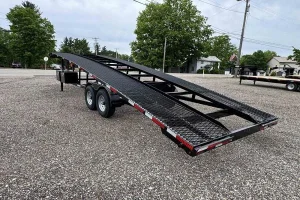
3 Car Wedge Trailer: How Can It Improve Vehicle Transport Efficiency?

Tilt Trailer Single Axle: What Should You Know Before Buying?

