
Utility trailers are workhorses, designed to transport heavy and often awkward loads across various terrains. The tires on these trailers are critical components that directly impact the safety, performance, and longevity of the trailer. They must be able to handle the weight, provide stability, and offer traction in different conditions. The right tires can ensure that your trailer can handle the load, provide a comfortable ride, and resist damage from the elements and road conditions.
Introduction to Utility Trailer Tires
Definition and Purpose of Utility Trailer Tires
Utility trailer tires are engineered to meet the specific demands of trailers that are used for heavy duty tasks. They are built to withstand the stress of carrying heavy loads over long distances and on various terrains. These tires are characterized by their robust construction, high load carrying capacity, and resistance to punctures and other forms of damage. They are also designed to provide optimal traction, whether on paved roads or offroad surfaces.
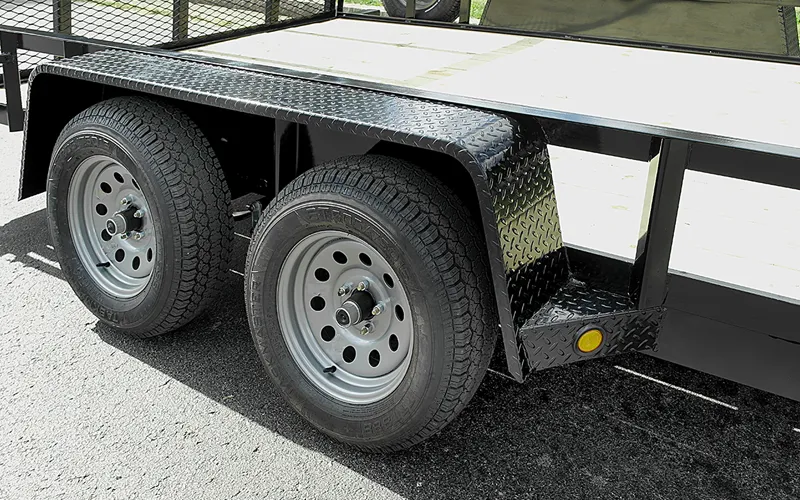
Key Features of Utility Trailer Tires
Load Capacity: Utility trailer tires are built to handle heavy loads. They have a higher load index than standard car tires, which means they can support more weight without deforming or failing.
Tread Design: The tread pattern on utility trailer tires is designed for grip and durability. Deeper treads can provide better traction in muddy or snowy conditions, while a more uniform tread can offer a smoother ride on highways.
Construction: These tires often feature a stronger, more flexible construction that can absorb impacts and resist damage from road debris and curbs.
Ply Rating: A higher ply rating indicates a stronger tire. Utility trailer tires typically have a higher ply rating than passenger car tires, providing additional strength and durability.

Importance of Choosing the Right Tires
Choosing the right tires for your utility trailer is not just about performance; it’s also about safety. The wrong tires can lead to blowouts, poor handling, and even accidents. They can also cause unnecessary wear and tear on your trailer, leading to more frequent repairs and replacements. By selecting the appropriate tires, you can ensure that your trailer can handle the load, provide a comfortable ride, and resist damage from the elements and road conditions.


Typically found in smaller trailers, a single axle offers a simple configuration but limits load capacity.

Most common in larger trailers, tandem axles help distribute weight more evenly and improve stability.

Often used for hauling extremely heavy loads, tri-axles provide added stability and are ideal for commercial or industrial trailers.
Types of Utility Trailer Tires
Understanding the different types of utility trailer tires available is essential for making an informed decision when it comes to tire selection.
Radial vs. Bias Ply Tires
Radial Tires: These tires have a diagonal cord structure that runs from the bead to the tread. This construction provides better fuel efficiency, longer tread life, and improved handling. Radial tires are less prone to punctures and provide a more comfortable ride due to their even distribution of weight.
Bias Ply Tires: These tires have a crisscross pattern of cords that run perpendicular to the direction of travel. They are more affordable and can carry heavy loads, but they have a shorter lifespan and are less fuelefficient. Bias ply tires are also more prone to sidewall damage due to their less flexible construction.

Load Range Options
Tires are categorized into load ranges based on their capacity to carry weight. For utility trailers, you’ll typically want tires with a higher load range, such as C, D, or E, which are designed for heavier loads. It’s important to match the load range of the tires to the weight capacity of your trailer to ensure they can handle the load without becoming damaged or failing prematurely.

Speed Rating Considerations
Speed ratings indicate the maximum speed a tire can safely sustain. For utility trailers that are driven at higher speeds on highways, it’s important to choose tires with appropriate speed ratings to ensure safety and performance. Tires with higher speed ratings are typically made with stronger materials and have a more robust construction to handle the stresses of highspeed travel.

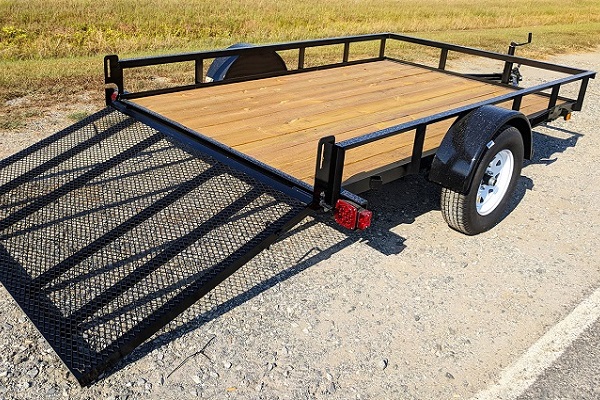
Suitable for lighter loads, typically up to 3,000-4,000 lbs.

Best for medium to heavy loads, typically up to 7,000-12,000 lbs.

Ideal for very heavy loads, supporting up to 20,000 lbs or more.
Factors to Consider When Selecting Tires
Several factors should be considered when selecting the best tires for your utility trailer.
Flatbed Trailers
These versatile trailers often use tandem or tri-axle configurations to carry construction materials, vehicles, or machinery.
Enclosed Trailers
For hauling smaller or more sensitive cargo, a single or tandem axle setup is typically sufficient.
Utility Trailers
Smaller utility trailers used for gardening or moving items typically use a single axle for light-to-medium loads.
Specialized Trailers
These trailers, such as those for heavy equipment or oversized loads, may require more than two axles for added support and stability.
Trailer Weight Capacity
The weight capacity of your trailer will dictate the load range of the tires you need. Always check the manufacturer’s recommendations and ensure the tires can handle the Gross Axle Weight Rating (GAWR) of your trailer. Overloading your tires can lead to premature wear, blowouts, and decreased safety.

Terrain and Usage
The type of terrain you’ll be traversing and the usage of your trailer will influence tire selection. Tires with a more aggressive tread pattern are better suited for offroad use, where traction is essential. For trailers that are primarily used on paved roads, tires with a smoother tread can provide a quieter and more comfortable ride.
Climate and Weather Conditions
Tires should also be chosen based on the climate and weather conditions they will encounter. Tires with better traction in wet conditions or those that can withstand colder temperatures are essential in certain regions. For example, tires with a more flexible rubber compound can perform better in cold weather, while tires with deeper treads can provide better traction in snow and mud.
Budget and Maintenance
Your budget will play a role in the type of tires you can afford, but it’s important not to compromise on quality. Higherquality tires may cost more upfront but can save you money in the long run through reduced maintenance and longer lifespan. Additionally, consider the maintenance requirements of different tire types, as some may require more frequent rotations, balancing, or other services to maintain optimal performance.
Top Utility Trailer Tires on the Market
Researching the top utility trailer tires on the market can help you make an informed decision.
Reviews of Popular Utility Trailer Tires
Reading reviews from other utility trailer owners can provide valuable insights into the performance and durability of different tire models. Look for reviews that discuss how the tires perform in various conditions, their longevity, and any common issues that may arise. Reviews can also highlight any unique features or benefits that a particular tire model may offer.
Performance Comparison
Comparing the performance of different tires in terms of load capacity, tread life, and resistance to damage can help you identify the best options for your needs. Look for tires that have a proven track record of performance and durability. Consider factors such as how well the tires handle heavy loads, their resistance to punctures, and their overall lifespan.
Durability and Longevity Analysis
Durability and longevity are key factors when choosing utility trailer tires. Tires that can withstand heavy loads and rough conditions without wearing out quickly are ideal. Look for tires that are made with highquality materials and have a reputation for lasting a long time. Additionally, consider the warranty offered by the tire manufacturer, as this can provide some assurance of the tire’s durability and quality.
Maintenance and Care of Utility Trailer Tires
Proper maintenance and care can extend the life of your utility trailer tires and ensure their optimal performance.
Proper Inflation and PSI
Maintaining the correct tire pressure is crucial for performance, safety, and tire life. Underinflated tires can lead to poor handling, increased wear, and even blowouts, while overinflated tires can result in a rough ride and decreased traction. Always check and adjust the tire pressure according to the manufacturer’s recommendations, which can typically be found in the trailer’s owner manual or on the tire’s sidewall.
Regular Inspection and Rotation
Regularly inspecting your tires for signs of wear, damage, or uneven tread can help you identify issues early and prevent more significant problems. Look for signs of cracking, bulging, or other damage that may indicate a tire is ready to be replaced. Tire rotation can also help ensure even wear across the tread, which can extend the life of your tires.
Storage Tips for Extended Life
If your utility trailer is not in use for extended periods, storing the tires properly can help maintain their condition. This includes protecting them from sunlight and moisture, which can degrade the rubber over time. When storing your trailer, try to park it in a shaded area or use a cover to protect the tires from the elements. Additionally, ensure the tires are inflated to the proper pressure before storage to prevent flat spots from forming.
Conclusion
In conclusion, selecting the right tires for your utility trailer is a critical decision that affects performance, safety, and longevity. By considering factors such as load capacity, terrain, climate, and budget, you can choose tires that will meet your specific needs. Regular maintenance and care will help extend the life of your tires and ensure they continue to perform at their best. Remember, the right tires can make all the difference in the performance and reliability of your utility trailer. Investing in the right tires and taking care of them is an investment in the safety and efficiency of your trailer operations.
This document now provides a comprehensive guide to choosing the best tires for a utility trailer, including detailed explanations, considerations, and answers to frequently asked questions. It is designed to be a helpful resource for anyone looking to ensure their utility trailer is equipped with the best tires for their needs.
FAQ
How Often Should Utility Trailer Tires be Replaced?
Utility trailer tires should be replaced when they show significant wear, have reached the end of their tread life, or show signs of damage such as cracks or bulges. Generally, this can be every few years, depending on usage and conditions. A good rule of thumb is to replace tires when the tread depth reaches 2/32 of an inch, as measured by a tread depth gauge. It’s also a good idea to replace tires that are more than 10 years old, even if they haven’t worn out, as the rubber can degrade over time and become less reliable.
What is the Difference Between ST and LT Tires for Utility Trailers?
ST tires, or special trailer service tires, are designed for trailers that are towed at higher speeds and are typically lighter in construction. They have a higher speed rating and are better suited for trailers that are used on highways. LT tires, or light truck tires, are heavierduty and can handle more rugged use. They are designed for offroad use and can provide better traction in muddy or snowy conditions. The choice between ST and LT tires will depend on the specific needs of your trailer and how it will be used.
Can I Use Car Tires on a Utility Trailer?
It is not recommended to use car tires on a utility trailer, as they are not designed to handle the heavy loads and stress that utility trailers endure. Car tires may not provide the necessary loadcarrying capacity, and their construction is not as robust as that of utility trailer tires. Using car tires on a utility trailer can lead to blowouts, poor handling, and other safety hazards.
What PSI Should My Utility Trailer Tires Be At?
The recommended PSI for your utility trailer tires can be found in your trailer’s owner manual or on the tire’s sidewall. It’s important to check and adjust the tire pressure regularly to ensure optimal performance and safety. Underinflated tires can lead to poor handling, increased wear, and even blowouts, while overinflated tires can result in a rough ride and decreased traction. It’s a good idea to check the tire pressure at least once a month and before any long trips.
How Do I Know When My Tires Need Rotation?
Tire rotation is an important part of maintaining the longevity and performance of your utility trailer tires. You should rotate your tires every 3,000 to 5,000 miles, or as recommended by the tire manufacturer. Signs that your tires may need rotation include uneven wear, vibration while driving, or a pulling sensation to one side. Regular rotation can help ensure even wear across the tread, extending the life of your tires.
What is the Impact of Overloading on My Tires?
Overloading your utility trailer tires can have serious consequences. It can lead to increased stress on the tires, causing them to heat up, deform, and potentially blow out. Overloading can also lead to a decrease in traction and handling, increasing the risk of accidents. It’s crucial to always check the weight limits of your tires and ensure you are not exceeding the Gross Axle Weight Rating (GAWR) of your trailer.
How Do I Properly Store My Trailer Tires for Winter?
Proper storage of your utility trailer tires during the winter months can help maintain their condition and extend their life. When storing your trailer tires, ensure they are clean and dry to prevent the buildup of moisture and dirt, which can lead to corrosion and damage. Store your trailer in a cool, dry place away from direct sunlight and extreme temperatures. It’s also important to inflate the tires to the proper pressure before storage to prevent flat spots from forming.
Are There Any Special Considerations for Tires on Utility Trailers Used in Extreme Conditions?
If your utility trailer is used in extreme conditions, such as high heat or cold, there are special considerations for tire selection and maintenance. Tires used in extreme heat may need to be made of heatresistant rubber to prevent blowouts, while tires used in cold conditions may need to be made of a more flexible rubber to maintain traction. Regular inspections for cracks, bulges, and other signs of damage are especially important in these conditions, as the extreme temperatures can cause the rubber to become more brittle and prone to damage.
Share This Post

Shyla Xi
Custom Your Trailer
Don’t hesitate to get in touch with us to explore our trailer and discuss how we can meet your unique requirements.
Latest Posts
Find Your Trailer
Recently Posts
3 Car Wedge Trailer: How Can It Improve Vehicle Transport Efficiency?

Tilt Trailer Single Axle: What Should You Know Before Buying?

