Embarking on a holiday journey is always an exciting prospect. For many families and adventure seekers, car trailers have become a vital part of their travel plans, offering unmatched flexibility and convenience This article explores how to use car trailers for holiday travel effectively, ensuring safety and maximizing enjoyment.
Choosing the Right Trailer for Your Holiday Needs
Selecting the appropriate car trailer is a fundamental step toward ensuring a successful trip. The choice depends largely on your travel requirements and the type of gear or luggage you plan to carry. Taking time to explore the variety of available trailers can help you avoid unnecessary complications.
Types of Car Trailers

Utility Trailers
These are ideal for transporting large or heavy items like camping equipment or furniture. Their adaptability makes them an excellent choice for various activities beyond just holiday travel.

Enclosed Trailers
Offering protection from adverse weather and theft, enclosed trailers are perfect for carrying valuables such as bicycles, motorcycles, or fragile equipment. Their secure structure is especially beneficial for long-haul trips.

Travel Trailers
Equipped with essential amenities like sleeping quarters, kitchens, and restrooms, travel trailers are a popular choice for those seeking comfort on the road. They’re particularly suited for extended journeys or family vacations.
Key Features to Consider
When choosing a trailer, prioritize size, weight capacity, and durability. Safety features such as dependable brakes, solid hitches, and robust materials are essential. Additionally, evaluate the trailer’s storage options, insulation, and ventilation—particularly if you anticipate traveling in extreme weather conditions.
Preparing Your Trailer for the Trip
When choosing a trailer, prioritize size, weight capacity, and durability. Safety features such as dependable brakes, solid hitches, and robust materials are essential. Additionally, evaluate the trailer’s storage options, insulation, and ventilation—particularly if you anticipate traveling in extreme weather conditions.
Pre-Trip Inspection Checklist
Tires
Check for proper inflation and signs of wear. Replacing old or damaged tires can prevent breakdowns.
Brakes and Lights
Confirm that all brakes and lighting systems are operational. Faulty lights can lead to visibility issues or fines.
Connections
Double-check the hitch and wiring connections to avoid accidents caused by detachment. Always secure safety chains as an added precaution.
Packing Tips
When choosing a trailer, prioritize size, weight capacity, and durability. Safety features such as dependable brakes, solid hitches, and robust materials are essential. Additionally, evaluate the trailer’s storage options, insulation, and ventilation—particularly if you anticipate traveling in extreme weather conditions.
Safety Tips for Driving with a Trailer
Take Wider Turns
Trailers need extra room when making turns. Keep an eye on your mirrors to ensure the trailer stays aligned.
Brake Early
The increased weight of a trailer extends stopping distances. Maintain ample space between your vehicle and others.
Steady Speeds
Avoid abrupt accelerations or braking. Consistent speeds help maintain control, especially on winding roads.
Emergency Preparedness
Always carry a roadside emergency kit, including a spare tire, tools, and reflective markers. Learn basic repairs like replacing tires or securing loose connections.
Must-Have Accessories for Holiday Travel
Equipping your trailer with the right accessories can enhance both functionality and safety, ensuring a worry-free journey.
Impact of Load on Axle Configuration

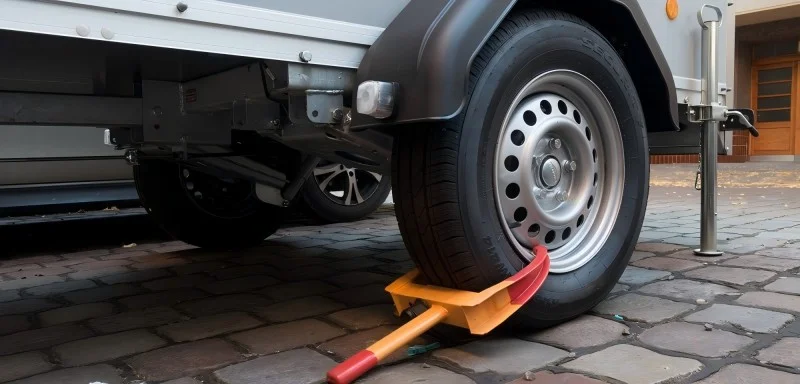
High-quality locks deter theft and safeguard your trailer.

These covers shield your belongings from rain, snow, and UV rays, preserving their condition.

Tools like sway control bars and weight distribution hitches improve stability and maneuverability, especially during long trips.
Expert Advice
Experts recommend practicing towing in controlled environments before setting out on lengthy trips. “Familiarity breeds confidence” says John Carter, a seasoned trailer instructor. Short practice drives can help you master reversing and turning techniques.
Additionally, research regional regulations governing trailer use, including weight limits and safety requirements. Staying informed about weather conditions is equally important, as adverse conditions can complicate towing.
Case Study
The Smith family embarked on a two-week road trip along the Pacific Coast using a travel trailer. Their proactive preparation, including installing solar panels and optimizing storage, ensured a seamless experience. Their advice: “Plan your routes in advance and always have backup options for overnight stays.”
Lessons Learned
● Stay adaptable to unexpected changes in your itinerary.
● Use GPS systems specifically designed for trailers to avoid unsuitable roads.
● Test all trailer systems—plumbing, electrical, and structural—before departure.
Conclusion
Car trailers offer unparalleled versatility, enabling travelers to explore a wide array of destinations with ease. From meticulous preparation to safe driving practices, these tools transform holiday travel into a seamless and enjoyable experience. Whether venturing to serene beaches or rugged mountains, a well-equipped car trailer ensures that your journey is as memorable as your destination.
FAQ
What size trailer is best for holiday travel?
The ideal size depends on your needs. Families often prefer medium-sized enclosed trailers, while extended trips may require travel trailers with built-in amenities.
Can any car tow a trailer?
Not all vehicles are suitable. Check your car’s towing capacity and ensure it matches the trailer’s weight. Consider upgrades to brakes or suspension if needed.
How can I prevent trailer sway?
Evenly distribute weight, avoid sudden movements, and use sway control devices. Driving at moderate speeds also minimizes sway.
Are there legal requirements for towing a trailer?
Yes, these vary by region. Common requirements include functional brake lights, safety chains, and, in some cases, towing licenses.
How often should trailers be inspected?
Inspect before each trip and schedule professional checks annually. Routine maintenance ensures safety and longevity
Share This Post
Lalune Teng
Custom Your Trailer
Don’t hesitate to get in touch with us to explore our trailer and discuss how we can meet your unique requirements.
Latest Posts
Find Your Trailer
Recently Posts

3 Car Wedge Trailer: How Can It Improve Vehicle Transport Efficiency?

Tilt Trailer Single Axle: What Should You Know Before Buying?