

Trailers are essential for transporting goods, vehicles, and recreational equipment over long distances. Whether you’re towing a car trailer to take your vehicle to a race track or hauling construction materials for a building project, the importance of a properly functioning braking system cannot be overstated. Without brakes, the trailer would behave unpredictably, especially when carrying heavy loads or traveling at high speeds. This could result in hazardous situations, such as loss of control, longer stopping distances, or even collisions.
Introduction
Trailer brakes are vital for ensuring that the trailer decelerates and stops in a safe, controlled manner, and they work in harmony with the towing vehicle’s braking system. Depending on the weight of the trailer and its intended use, different types of brakes may be installed.
In many countries, trailers that exceed certain weight limits are legally required to have their own brakes. These regulations are designed to ensure safety on the road and prevent accidents caused by ineffective or non-existent braking systems. Whether you are towing a light-duty utility trailer or a heavy-duty car transport trailer, understanding how trailer brakes function is essential to both legal compliance and road safety. This guide will explore the various braking systems used in trailers, how they work, and why regular maintenance is crucial for ensuring they continue to operate effectively.

Different Types of Axles
There are various types of axles to choose from, depending on your needs:

Typically found in smaller trailers, a single axle offers a simple configuration but limits load capacity.

Most common in larger trailers, tandem axles help distribute weight more evenly and improve stability.

Often used for hauling extremely heavy loads, tri-axles provide added stability and are ideal for commercial or industrial trailers.
Types of Brakes Used on Car Trailers
There are several types of braking systems used in trailers, each designed for different load capacities and driving conditions. In this section, we will explore the three most common braking systems used in trailers: air brakes, hydraulic brakes, and electric brakes. Each of these systems has its unique characteristics, advantages, and operating principles.
Air Brakes
Air brakes are predominantly found on larger trailers, such as those used in commercial trucking, where the weight of the load requires powerful braking. Air brake systems rely on compressed air to provide the force needed to activate the trailer’s braking components. These systems are highly efficient in stopping large and heavy trailers and are widely used in heavy-duty vehicles like tractor-trailers, large flatbeds, and cargo trucks.

Description of Air Brake Systems
An air brake system consists of multiple components, including air compressors, air tanks or reservoirs, brake chambers, and various valves. The system is designed to convert air pressure into mechanical braking force. When the brake pedal is pressed in the towing vehicle, compressed air flows through an airline into the trailer’s brake system, activating the brakes. The air pressure is responsible for engaging the brake shoes or pads on the trailer, which create friction against the wheels to slow the trailer down.
Air brake systems are typically more complicated than other braking systems due to the various components involved. They require a constant supply of air to function, which is provided by the compressor in the towing vehicle. Additionally, air brakes are often equipped with pressure gauges to monitor the system’s air pressure levels, ensuring that the brakes operate efficiently.
Advantages of Air Brakes in Large Trailers
The key advantage of air brakes is their ability to handle very heavy loads. When hauling large cargo or when the trailer is especially heavy, the braking force provided by air brakes is essential. The air brake system is not only effective at stopping large trailers, but it also allows for precise and reliable braking. The ability to adjust air pressure ensures that braking is smooth and efficient, which is crucial when driving on highways or through hilly terrain.
Air brakes also have the benefit of being more durable in commercial applications, making them a reliable choice for long-distance, heavy-duty towing. The redundancy built into the system ensures that, even if one part fails, the brakes can still operate, providing an extra layer of safety. In addition, the brakes are automatically activated when the towing vehicle’s brakes are engaged, ensuring synchronized braking across both vehicles.
How Air Brakes Work in a Car Trailer
In a car trailer, the air brake system is connected to the towing vehicle through an air hose. When the driver of the towing vehicle applies the brake pedal, the vehicle’s compressor generates compressed air, which travels through the hose to the trailer’s brake chambers. These brake chambers contain diaphragms that expand when air pressure is applied, causing the brake shoes or pads to press against the brake drum or disc on the trailer. This creates friction, which slows the trailer down and brings it to a stop.
One of the main components of the air brake system is the relay valve, which is used to control the amount of air that is sent to the brakes. This valve helps to regulate the braking force applied to the trailer, ensuring that the trailer’s brakes are engaged smoothly and at the right time.
Hydraulic Brakes
Hydraulic brakes are commonly found in smaller trailers, such as utility trailers or travel trailers, where the towing capacity is less demanding. They use hydraulic fluid to transfer force from the towing vehicle to the trailer’s braking components. While hydraulic brakes are not as powerful as air brakes, they offer a simple and cost-effective solution for lighter trailers.

Explanation of Hydraulic Braking Systems
A hydraulic brake system operates by using hydraulic fluid (such as brake fluid) to transmit the force from the towing vehicle’s brake pedal to the trailer’s brake components. The system consists of a master cylinder, brake lines, and brake cylinders located on the trailer. When the driver presses the brake pedal in the towing vehicle, the master cylinder forces the hydraulic fluid through the lines and into the brake cylinders on the trailer. This hydraulic pressure pushes the brake shoes or pads against the trailer’s brake drum or disc, generating friction to slow the trailer.
Hydraulic brake systems are often simpler than air brake systems and are therefore more commonly used in smaller trailers. They are also relatively easy to maintain and repair, making them an appealing option for many trailer owners.
Benefits of Hydraulic Brakes for Smaller Trailers
The primary benefit of hydraulic brakes is their simplicity. Hydraulic systems are less complex than air brake systems, making them easier to install and maintain. For smaller trailers with lighter loads, hydraulic brakes provide more than adequate stopping power. The hydraulic fluid system is also quieter than air brakes, providing a smoother, more comfortable ride for the driver.
Another key advantage of hydraulic brakes is their cost-effectiveness. Compared to air brakes, which can be expensive to install and maintain, hydraulic brake systems are much more affordable, making them a popular choice for budget-conscious trailer owners. These systems also tend to be less prone to wear and tear than air brake systems, leading to lower maintenance costs over time.
Working Mechanism of Hydraulic Brakes
In a hydraulic brake system, the driver’s application of the brake pedal generates pressure in the master cylinder, which forces hydraulic fluid into the brake lines connected to the trailer. This fluid flows into the brake cylinders on the trailer, applying pressure to the brake shoes or pads. As the pads press against the brake drum or disc, friction is created, which slows down the rotation of the trailer’s wheels, bringing the vehicle to a stop.
One of the major advantages of hydraulic brakes is their ability to adapt to the weight of the trailer. In many systems, the brake force is adjusted automatically based on the trailer’s load. This ensures that the brakes work efficiently and without unnecessary force, enhancing both safety and comfort.
Electric Brakes
Electric brakes are an increasingly popular choice for smaller and lighter trailers. They are powered by the electrical system of the towing vehicle and use electromagnets to activate the trailer’s brake shoes or pads. While electric brakes are not as powerful as air or hydraulic brakes, they are well-suited for light to medium-sized trailers and offer a number of advantages, including ease of installation and minimal maintenance.

Introduction to Electric Brake Systems
Electric brake systems use an electrical current to activate a magnet inside the brake assembly on the trailer. When the driver presses the brake pedal in the towing vehicle, a brake controller sends an electrical signal to the trailer’s brake system. This signal energizes the magnet inside the brake drum, causing it to pull the brake shoes against the drum to create friction and slow the trailer down.
Electric brakes are often used in conjunction with a brake controller, which is installed in the towing vehicle. The brake controller allows the driver to adjust the braking force applied to the trailer’s brakes, ensuring that the trailer slows down at the appropriate rate. Electric brake systems are commonly used on light to medium-duty trailers, such as car transport trailers, boat trailers, and small RVs.
Common Use in Light to Medium-Sized Trailers
Electric brakes are ideal for smaller trailers because they are lightweight, easy to install, and cost-effective. Unlike air or hydraulic brakes, electric brakes don’t require a complex network of hoses or fluid reservoirs, making them a more straightforward option for trailers that are typically lighter and used for less demanding tasks.
These systems are also relatively easy to maintain, as they don’t involve the use of hydraulic fluid or air pressure, reducing the risk of leaks and the need for extensive repairs. Furthermore, electric brakes provide smooth, consistent braking performance, making them a reliable choice for trailers that are frequently used on highways or city streets.
How Electric Brakes Function and Engage
In electric brake systems, the driver’s application of the brake pedal generates an electrical current that is sent to the trailer’s brake system. This current energizes an electromagnet, which then pulls the brake shoes against the brake drum, generating friction that slows the trailer down. The brake controller in the towing vehicle is used to adjust the intensity of the electrical signal, which in turn adjusts the strength of the braking force applied to the trailer. This allows for more precise control of the trailer’s braking, especially when towing different loads.
Electric brake systems are also designed to work in conjunction with the braking system of the towing vehicle, ensuring that both vehicles stop simultaneously. Some systems even feature a proportional controller that adjusts the braking force in real-time based on the speed of the vehicle and the load being towed.
How Trailer Brakes Are Activated
Trailer brakes are generally activated either manually or automatically, depending on the type of braking system used. The process of brake activation is essential for ensuring that the trailer slows down in harmony with the towing vehicle, preventing accidents and ensuring smooth, controlled stops.
Manual vs. Automatic Braking Systems
In manual braking systems, the driver must actively engage the trailer’s brakes by pressing the brake pedal in the towing vehicle. This input is then transferred to the trailer’s brake system, where the brakes are engaged. However, in automatic braking systems, the trailer’s brakes are automatically engaged when the towing vehicle’s brakes are applied. This system is typically used in electric and hydraulic brake systems, where sensors and controllers monitor the speed and load of the trailer.
Automatic braking systems are advantageous because they provide a more seamless experience for the driver. By automatically adjusting the braking force based on the load and driving conditions, these systems ensure that the trailer slows down in an optimal manner, reducing the likelihood of skidding or over-braking.

The Role of Brake Controllers and Sensors
Brake controllers are used in electric and hydraulic brake systems to manage the amount of braking force applied to the trailer. These controllers are typically installed in the towing vehicle and allow the driver to adjust the intensity of the braking force based on factors such as the load weight and road conditions.
Some brake controllers feature sensors that detect the trailer’s speed and load, automatically adjusting the braking force to ensure smooth and efficient deceleration. These sensors ensure that the trailer’s brakes are activated at the appropriate time and with the correct intensity, improving safety and performance.
The Process of Brake Activation When the Towing Vehicle Slows Down
When the towing vehicle applies its brakes, the trailer’s braking system is triggered. The exact process varies depending on the type of braking system in place. For air brakes, compressed air is sent from the towing vehicle to the trailer’s brake chambers, engaging the brakes. In hydraulic systems, hydraulic fluid is pumped to the trailer’s brake components, and in electric systems, an electrical signal is sent to the trailer’s brake system. Regardless of the system, the trailer’s brakes are applied simultaneously with the towing vehicle’s brakes, ensuring that the trailer slows down evenly and safely.
Trailer Brake Maintenance and Safety
Proper maintenance of trailer brakes is essential for ensuring their reliability and safety. Brake systems are subjected to wear and tear over time, and regular checks can help identify issues before they lead to brake failure.

Regular Checks and Maintenance Tips
Trailer brakes should be inspected regularly for signs of wear. This includes checking the brake pads or shoes to ensure they have sufficient thickness, inspecting brake drums or rotors for damage, and ensuring that all brake lines and hoses are free of leaks. It is also important to check that the brake fluid levels are adequate in hydraulic systems and that the air pressure is correct in air brake systems.
How to Ensure Brake Effectiveness and Prevent Failure
Routine maintenance is crucial for ensuring that trailer brakes remain effective. Regular lubrication of the braking components, cleaning the brake pads or shoes, and replacing worn parts will help prevent malfunction. It is also important to perform brake tests to ensure that the system is responding correctly. When brakes are not functioning properly, the trailer may not stop in time, leading to accidents.
Common Issues and Troubleshooting Tips
Some common brake issues include uneven braking, brake lock-up, or complete brake failure. Uneven braking can be caused by worn brake pads, damaged brake lines, or issues with the brake controller. If you experience any of these problems, it is important to address them immediately to avoid compromising safety. Regularly monitoring brake performance and replacing components as needed is essential for optimal braking functionality.
Conclusion
Trailer brakes are a crucial safety feature that must be properly maintained to ensure safe operation. Whether you are using air, hydraulic, or electric brakes, understanding how these systems work and how to maintain them is key to preventing accidents and ensuring your trailer’s longevity. Regular inspections, along with keeping the braking system clean and free of debris, will help you avoid costly repairs and maintain safe braking performance. Always follow legal requirements for trailer brakes to stay compliant with the law and prioritize safety on the road. Safe braking equals safe towing!
FAQ
What Are the Legal Requirements for Trailer Brakes?
In most countries, trailers that exceed a certain weight (often around 750 kg or 1,000 pounds) are required by law to have their own braking system. The exact weight requirements vary by jurisdiction, so it’s essential to check local laws to ensure that your trailer complies with the regulations.
How Do I Know if My Trailer Brakes Are Working Correctly?
You can test your trailer brakes by performing a braking test. While driving, apply the brakes and monitor how the trailer responds. If the trailer slows down smoothly and without any jerking or unusual sounds, the brakes are likely functioning correctly. However, if you notice any issues, such as difficulty stopping or strange noises, you should inspect the brakes for damage or wear.
Can I Upgrade My Trailer Brakes?
Yes, you can upgrade your trailer brakes. For example, you can switch from hydraulic to air brakes if you plan to carry heavier loads, or you can add a brake controller to improve the responsiveness of your electric brakes. Be sure to consult with a professional to determine the best braking system for your trailer’s needs.
How Often Should Trailer Brakes Be Inspected?
Trailer brakes should be inspected at least once a year, though more frequent inspections may be necessary depending on how often the trailer is used. For trailers that are frequently loaded or driven long distances, inspections every few months are recommended to ensure the braking system is in optimal condition.
What Are the Differences Between Air, Hydraulic, and Electric Brakes?
Air brakes are powerful and designed for heavy-duty trailers, using compressed air to activate the brakes. Hydraulic brakes use fluid pressure to engage the brake components and are commonly found in smaller trailers. Electric brakes rely on electrical signals to activate magnets that apply pressure to the brake shoes, making them ideal for light to medium-duty trailers.
Share This Post

Shyla Xi
Custom Your Trailer
Don’t hesitate to get in touch with us to explore our trailer and discuss how we can meet your unique requirements.
Latest Posts
Find Your Trailer
Recently Posts
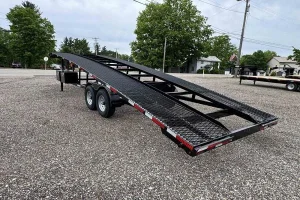
3 Car Wedge Trailer: How Can It Improve Vehicle Transport Efficiency?

Tilt Trailer Single Axle: What Should You Know Before Buying?

