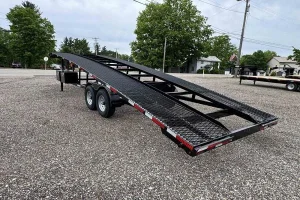
An electric winch is a crucial tool for anyone who frequently loads and unloads vehicles onto a trailer. Whether you're a car enthusiast, a professional tow truck driver, or someone who simply needs a reliable way to move heavy loads, an electric winch makes the process much safer and more efficient. In this comprehensive guide, we’ll explore everything you need to know about choosing, installing, and maintaining an electric winch for your car trailer.

An electric winch is a motorized device that helps pull or lift heavy loads using a cable or rope wound around a drum. Unlike manual winches that require physical effort, electric winches operate using a motor powered by a 12V or 24V battery. This makes them highly efficient and easy to use, especially when dealing with vehicles.
The winch consists of several components, including a motor, gearbox, drum, cable, and control system. When activated, the motor turns the drum, pulling in or letting out the cable. This allows you to load or unload a vehicle onto a trailer with minimal effort.
One of the biggest advantages of an electric winch is its ease of use. Unlike manual winches, which require significant physical effort, electric winches can be operated with the push of a button. This makes them ideal for people who need a quick and efficient way to load a vehicle onto a trailer.
Using an electric winch greatly reduces the risk of injury when loading or unloading a car. The controlled movement of the winch prevents sudden jerks that could cause damage to the vehicle or the trailer. Additionally, many winches come with safety features such as automatic braking systems and overload protection.
Electric winches are incredibly versatile. While they are commonly used for loading cars onto trailers, they can also be used for off-road vehicle recovery, pulling boats onto trailers, and even industrial applications. This makes them a valuable investment for a variety of uses.
The load capacity of an electric winch is one of the most important factors to consider. The winch should be capable of pulling at least 1.5 times the weight of your vehicle. This ensures that it has enough power to handle the load without straining the motor.
A powerful motor ensures that the winch operates smoothly and efficiently. Motors with higher wattage provide more pulling power, making them ideal for heavier vehicles. Look for a motor with at least 4.5 HP for optimal performance.
Winches come with either steel cables or synthetic ropes. Steel cables are extremely durable and resistant to abrasions, but they are heavier and can be dangerous if they snap. Synthetic ropes are lighter and safer but require more maintenance to prevent fraying.
Choosing the right electric winch depends on several factors, including the weight of your vehicle, the type of trailer you use, and your specific needs. Here are some key considerations:
- Weight Capacity: Always choose a winch with a capacity higher than the weight of your vehicle.
- Power Source: Ensure that your trailer’s battery can handle the winch’s power requirements.
- Additional Features: Look for features like wireless remote control, automatic brakes, and weather-resistant coatings.
The general rule is to choose a winch with a pulling capacity of at least 1.5 times the weight of the heaviest vehicle you plan to load. This ensures that the winch operates efficiently without overloading the motor.
Yes, but it depends on the capacity of the battery. If your battery is powerful enough, it can be used to power other accessories such as trailer lights and hydraulic jacks. However, ensure that the battery has sufficient charge to operate the winch effectively.
Synthetic ropes are lighter, easier to handle, and safer in case of breakage. However, they require more maintenance and are prone to UV damage. Steel cables are more durable and resistant to abrasions but are heavier and can be dangerous if they snap.
It’s recommended to inspect your winch after every use and perform full maintenance at least once every six months. This includes checking for frayed cables, lubricating moving parts, and ensuring that the electrical connections are secure.
Most electric winches can be installed on various types of trailers, provided there is a suitable mounting surface. However, some trailers may require additional modifications or mounting plates to ensure a secure installation.