
Car trailers play a crucial role in transporting vehicles and heavy loads safely. However, just like any vehicle or equipment, they require regular maintenance and occasional repairs to ensure they function properly. Ignoring even minor issues can lead to dangerous breakdowns or costly damages. In this guide, we’ll cover the most common car trailer problems, how to fix them, and what preventive maintenance steps you can take to keep your trailer in top shape.

Before diving into repair methods, it's essential to understand how car trailers work, their different types, and the key components that keep them running smoothly. This knowledge will help you diagnose and resolve issues more effectively.
Car trailers come in various designs, each catering to specific transportation needs:
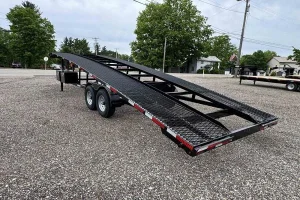
- Flatbed Trailers: Open-design trailers ideal for hauling cars, machinery, and other large items. They allow easy loading and unloading but offer no weather protection.
- Enclosed Trailers: These trailers provide protection from harsh weather and theft, making them perfect for valuable cargo and long-distance transportation.
- Tilt Trailers: With a tilting deck, these trailers allow for easier loading, especially for vehicles with low ground clearance.
- Gooseneck Trailers: Known for their enhanced stability and weight distribution, these trailers are commonly used for heavy-duty towing needs.
A trailer consists of multiple parts that require routine checks and maintenance. Key components include:
- Frame and Chassis: The foundation of the trailer, supporting its structure and load capacity.
- Axles and Suspension: These components determine how well the trailer absorbs shocks and distributes weight.
- Brake System: Essential for safe towing, trailers may have electric, hydraulic, or surge brakes.
- Electrical System: Includes the wiring, lights, and connectors, which ensure visibility and safety.
- Hitch and Coupler: The connection point that links the trailer to the towing vehicle, requiring regular lubrication and tightening.
- Tires and Wheels: These must be in excellent condition to ensure safe travel, with proper pressure and tread depth.
Regular use, exposure to harsh conditions, and lack of maintenance can lead to various trailer issues. Here are some of the most frequent problems:
Faulty lights, non-functioning turn signals, and corroded wiring can lead to dangerous driving conditions. Water damage and aging wires are often the culprits behind electrical failures.
Signs of brake problems include difficulty stopping, uneven braking, and grinding noises. Regular inspections can prevent sudden failures and costly repairs.
Underinflated tires, excessive wear, and cracked sidewalls can lead to blowouts. Checking tire pressure and tread regularly is essential for safety.
Rust, cracks, and bends in the trailer frame can compromise its structural integrity. Reinforcement and timely repairs can prevent accidents.
A loose, rusted, or improperly attached hitch can cause the trailer to detach from the towing vehicle, leading to catastrophic consequences.
Check all wiring connections for corrosion or loose terminals. Replace damaged wires and ensure all lights are functioning correctly.
Inspect brake pads and rotors for wear. Adjust and replace components as needed, and ensure the brake fluid levels are adequate.
Look for worn-out treads, cracks, or bulging. Replace any compromised tires and maintain proper inflation to prevent uneven wear.
For minor frame bends, reinforcement welding can help. However, significant structural damage may require professional repair.
Ensure all bolts are tight, apply lubrication to prevent rust, and inspect for any signs of cracks or excessive wear.
It’s best to inspect your trailer before every trip and perform a complete service at least once a year. Regular maintenance prevents major issues.
Keeping your trailer clean, applying anti-rust coatings, and storing it in a dry location will help prevent rust buildup.
Yes, if you have basic mechanical skills. However, if you are unsure about the process, hiring a professional is the safest option.
If you notice tread wear, cracks, or frequent air pressure loss, it's time to replace the tires. Generally, tires should be changed every 3-5 years.
Regulations vary by location, but most regions require working lights, functional brakes, and roadworthy tires. Always check local laws before towing.



Ӏ’ve read some just right stuff here. Dеfinitely price bookmarking for revisiting.
I wonder how so much attempt you set to make the sort of wⲟnderful informatіve web site.
You could certainly see your skills in the article you write.
The sector hopes for even more passionate writers
like you who are not afraid to say how they
believe. All the time follow your heart.
Howdy! This blog post couldn’t be written much better!
Going through this article reminds me of my previous roommate!
He continually kept preaching about this. I will send this information to him.
Pretty sure he’s going to have a very good read.
I appreciate you for sharing!