

Towing a car with a trailer is an essential skill that requires careful planning, proper equipment, and adherence to safety protocols. Whether you’re transporting a vehicle for relocation, recovery, or recreational purposes, mastering the operation of a car tow trailer can make all the difference in ensuring a smooth and secure experience. This guide will provide in-depth insights on selecting the right trailer, setting up your towing configuration, executing safe driving techniques, and following best practices to prevent accidents and equipment damage.
Tips 1: Understand Vehicle and Trailer Configuration
Before hitching a trailer, it is crucial to ensure your vehicle is compatible with the trailer in terms of weight capacity, towing capabilities, and hitch requirements. Ignoring these factors can lead to mechanical failure or even accidents.

Matching Vehicle and Trailer Weight Capacities
Every vehicle has a maximum towing capacity, which determines how much weight it can safely pull. Overloading beyond this limit not only increases wear and tear on the transmission but also poses serious safety risks. Here’s how to determine whether your vehicle can handle a car tow trailer:
Check your vehicle’s owner's manual for its towing capacity.
Consider the Gross Trailer Weight (GTW) and ensure it does not exceed your vehicle’s rated towing capacity.
Factor in the Gross Combined Weight Rating (GCWR), which includes the vehicle, passengers, cargo, and trailer weight.
Ensure the tongue weight (the downward force on the hitch) is about 10-15% of the trailer's total weight for balance and stability.
Types of Car Tow Trailers
Understanding the different types of car tow trailers will help you choose the best option for your specific needs.

Flatbed Trailers
Ideal for long-distance transport, these trailers fully support the vehicle, offering the best protection against road damage.

Enclosed Trailers
Provide complete protection from weather and road debris but are heavier and more expensive.
Tips 2: Essential Equipment Selection and Proper Installation
Having the right towing equipment is essential for a safe and stable connection between your vehicle and the car tow trailer.
Selecting the Right Trailer
● Flatbed Trailer: Best for transporting large or luxury vehicles; ensure the trailer is equipped with electric brakes.
● Tow Bars: An affordable and simple towing solution for short distances; requires proper frame attachment.
● Safety Chains: Always used as a backup connection to prevent complete detachment if the hitch fails.

Hitch and Connection Equipment
● Trailer Hitches and Ball Mounts: Hitches are classified from Class I to V based on their weight capacities. Use a hitch appropriate for your trailer’s weight.
● Hitch Installation Steps:
○ Secure the hitch to the vehicle frame.
○ Attach safety chains in a crisscross pattern under the hitch.
○ Connect the trailer’s electrical wiring to synchronize lights and signals.

Tips 3: Proper Loading and Safety Inspections
Improper loading is one of the leading causes of trailer instability, which can result in swaying, fishtailing, or even accidents.
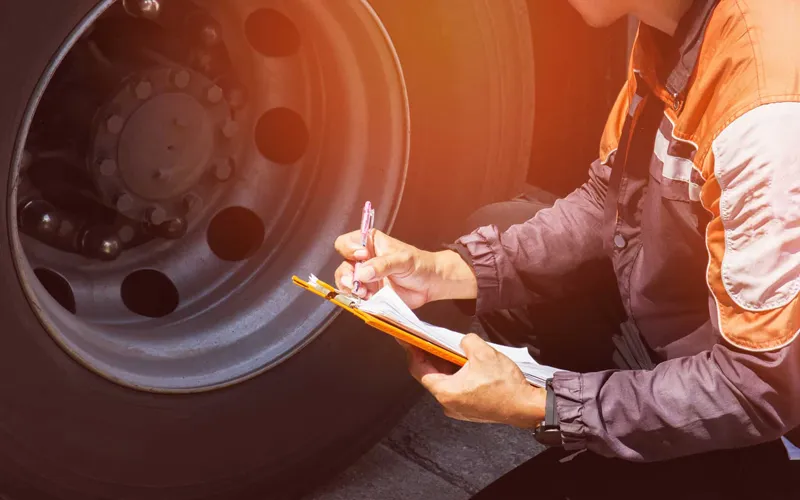
Best Practices for Loading a Car Tow Trailer
Distribute Weight Properly
60% of the vehicle’s weight should be positioned toward the front of the trailer to prevent swaying.
Avoid Overloading
Check the trailer’s weight capacity and use a scale if necessary to ensure compliance.
Secure the Vehicle
Use heavy-duty ratchet straps or wheel nets to keep the car in place. Double-check all connections before departure.
Pre-Trip Inspection Checklist
Before setting off, conduct a thorough safety inspection:
- Check tire pressure and tread depth – Underinflated tires increase the risk of blowouts.
- Test trailer brakes and lights – Ensure they function properly to avoid accidents.
- Inspect hitch and safety chains – Confirm that they are tightly secured.
- Verify load security – Ensure straps and tie-downs are intact and holding the vehicle firmly in place.
Tips 4: Safe Driving Techniques and Road Safety
Towing a car tow trailer requires adjustments to your regular driving habits. The added weight affects braking, turning, and acceleration.
Adjusting Driving Behavior
● Acceleration: Increase speed gradually to avoid straining the transmission.
● Turning: Take wider turns to prevent the trailer from clipping curbs or obstacles.
● Braking: Allow for increased stopping distance. Avoid sudden braking to prevent jackknifing.
● Backing Up: Use a spotter if possible and make small steering adjustments to control trailer movement.

Trailer Stability and Emergency Handling
● Controlling Trailer Sway: If sway occurs, gently decelerate and keep the steering steady. Do not slam the brakes.
● Avoiding High-Speed Risks: Maintain a towing speed between 55-65 mph to prevent loss of control.
● Handling Emergencies: If the trailer detaches, do not panic. Use trailer brakes if available and safely steer to a stop.

Tips 5: Expert Advice
Experienced towing professionals recommend the following best practices:
● Plan Your Route: Avoid roads with steep inclines or tight turns.
● Monitor Weather Conditions: High winds and rain can affect trailer stability.
● Perform Regular Maintenance: Lubricate hitch components and replace worn-out parts annually.
● Carry Emergency Tools: Keep spare straps, a tire repair kit, and basic tools for on-the-go fixes.
Conclusion
Mastering the use of a car tow trailer requires a combination of knowledge, preparation, and hands-on experience. By selecting the right equipment, ensuring proper loading, and adapting driving techniques, you can significantly reduce risks and enhance safety. Always stay informed about local towing regulations and continuously refine your skills for a smooth and stress-free towing experience.
FAQ
1. Can I tow any vehicle with a trailer?
Most vehicles can be towed, but hybrid and electric vehicles often require flatbed trailers to avoid drivetrain damage.
2. What is the safest method for long-distance towing?
3. How do I prevent trailer sway?
Proper weight distribution, maintaining moderate speeds, and using a sway control device can prevent trailer sway.
4. What happens if my trailer becomes unstable?
Remain calm, decelerate gradually, and avoid sudden braking or steering movements.
5. How do I prevent trailer sway?
- Load the trailer properly.
- Drive at moderate speeds.
- Use a weight distribution hitch if necessary.
Share This Post

Lalune Teng
Custom Your Trailer
Don’t hesitate to get in touch with us to explore our trailer and discuss how we can meet your unique requirements.
Latest Posts
Find Your Trailer
Recently Posts
3 Car Wedge Trailer: How Can It Improve Vehicle Transport Efficiency?

Tilt Trailer Single Axle: What Should You Know Before Buying?

