

A utility trailer is a versatile and indispensable tool for both personal and business use. Whether you’re looking to move furniture, transport gardening equipment, haul construction materials, or even carry motorcycles, a utility trailer can be the perfect solution to make these tasks easier. The vast range of trailer sizes available on the market, however, can be overwhelming for first-time buyers. Making the wrong choice could lead to wasted money, storage issues, or even safety risks.
Introduction
The right size utility trailer will depend on several factors, including the nature of the loads you intend to carry, the compatibility with your tow vehicle, how often you plan to use it, and the available storage space. Getting the size right is crucial for maximizing efficiency, safety, and the trailer’s long-term value. This article will help you break down the complexities of trailer sizes by discussing different sizes, usage scenarios, and key factors to consider when making your decision.
By the end of this guide, you’ll have a clear understanding of what trailer size works best for your needs, whether you’re hauling garden tools, a motorcycle, or running a commercial business. Let’s explore the key considerations in selecting the ideal utility trailer size for you.

Different Types of Axles
There are various types of axles to choose from, depending on your needs:

Typically found in smaller trailers, a single axle offers a simple configuration but limits load capacity.

Most common in larger trailers, tandem axles help distribute weight more evenly and improve stability.

Often used for hauling extremely heavy loads, tri-axles provide added stability and are ideal for commercial or industrial trailers.
Factors to Consider When Choosing Utility Trailer Size
Selecting the right size trailer involves evaluating several factors that influence both the performance and usability of the trailer. These factors include load capacity, trailer usage, tow vehicle compatibility, and storage requirements. Let’s dive into each of these in detail.

Load Capacity
The load capacity is arguably the most critical factor when choosing a utility trailer. The capacity of a trailer refers to the maximum weight that the trailer can safely carry. It is essential to match the load capacity to the weight of the items you intend to transport.
Most utility trailers are categorized based on their weight capacity, and this can vary significantly depending on the size and construction of the trailer. For example, small utility trailers, typically around 4×8 or 5×8 feet, have a load capacity ranging from 1,500 to 2,000 pounds, making them suitable for light-duty tasks like transporting a lawnmower, furniture, or garden supplies.
On the other hand, larger trailers such as 6×12 or 7×14 feet, which are designed for heavy-duty tasks, can have a load capacity that ranges from 3,000 pounds up to 7,000 pounds or more. These trailers are built to carry heavy equipment like construction tools, multiple large items, or bulky materials like gravel, soil, and lumber.
When determining load capacity, you must also take into account the nature of the load. For example, bulkier items such as furniture might not be as heavy but could take up more space in the trailer. In contrast, denser materials like stone or metal will be much heavier but may not require as much room. Therefore, you must consider both the weight and the volume of the load to select the appropriate size trailer.
Key takeaway: Always overestimate your weight needs rather than underestimate them. If you’re unsure about the weight of your load, err on the side of caution and choose a trailer with a higher load capacity than you think you need.

Trailer Usage
Your intended use of the trailer plays a significant role in determining the appropriate size. Different use cases require different sizes of trailers. Here are some common scenarios:
● Personal Use: If you are using the trailer for light tasks such as moving household items, transporting a lawnmower, or carrying a few boxes of equipment, a smaller trailer (like 4×8 or 5×8 feet) will likely be sufficient. These trailers are affordable, easy to maneuver, and can be towed by most vehicles. They are also perfect for occasional, seasonal use.
● Commercial or Heavy-Duty Use: For more frequent, heavy-duty hauling, such as transporting construction materials, landscaping supplies, or heavy machinery, you will need a larger, more robust trailer. A 6×12 or 7×14-foot trailer offers more cargo space and higher load capacity, making it suitable for businesses or individuals who need to haul large or heavy items on a regular basis.
● Frequent vs. Occasional Use: If you plan on using your trailer often, such as for a landscaping business or construction work, a medium to large trailer will be necessary. However, if your needs are more occasional, for example, moving furniture once a year, a smaller trailer may serve you just fine.
Consider how often you will use the trailer and for what purpose to determine the right size. Having a larger trailer than you need for an occasional move may not be the best choice in terms of cost, but it can be useful for business owners who frequently transport large equipment or materials.

Tow Vehicle Compatibility
Before selecting a trailer, it’s essential to check the towing capacity of your vehicle. Not all vehicles can safely tow large trailers, especially when carrying a heavy load. The towing capacity refers to the maximum weight that your vehicle is capable of pulling.
When selecting a trailer, you need to make sure that your vehicle can handle both the trailer itself and the load you plan to carry. Exceeding your vehicle’s towing capacity can lead to safety hazards, poor handling, increased wear and tear on your vehicle, and, in extreme cases, a potential accident.
Check the manufacturer’s specifications for your vehicle to see what its maximum towing capacity is. Many vehicles also provide information on their hitch capacity, which is the maximum amount of weight the hitch can support.
Here are some other towing-related factors to consider:
● Gross Trailer Weight (GTW): This refers to the total weight of the trailer and the cargo. Make sure that the combined weight does not exceed the towing capacity of your vehicle.
● Tongue Weight: This is the downward force that the trailer exerts on the hitch. Typically, tongue weight is about 10-15% of the total trailer weight. Ensure your vehicle’s hitch can handle this force.
● Hitch Compatibility: There are different types of hitches—Class I, II, III, and IV—each rated for different weight limits. Make sure that the trailer’s hitch requirements match the hitch on your tow vehicle.
Key takeaway: Always confirm that your vehicle can safely tow the trailer size you’re considering. Overloading a vehicle can be dangerous.

Storage Space
Another important factor when choosing the right trailer size is how and where you plan to store it when it’s not in use. Larger trailers take up more storage space and can be difficult to park in tight driveways or garages. If you have limited space, you might want to avoid trailers that are too large.
On the other hand, a smaller trailer may be easier to store but could become impractical if you need to transport larger loads frequently. If you’re planning to store the trailer outdoors, make sure you have a secure area and consider investing in a weatherproof cover to protect it from the elements.
If you don’t have the space to park a large trailer at home, you may want to opt for a smaller one or consider renting a larger trailer only when needed. Some trailer rental services provide larger trailers for temporary use.
Common Utility Trailer Sizes
Utility trailers come in various sizes, each suited to different uses. Here’s a breakdown of the most common sizes you will encounter when shopping for a utility trailer:

Small Utility Trailers (4x8 and 5x8)
Small utility trailers, typically in the 4x8 or 5x8 range, are ideal for light-duty tasks such as moving small loads, hauling a lawnmower, or transporting a few pieces of furniture. These trailers have a smaller footprint, making them easier to maneuver in tight spaces, park, and store.
Medium Utility Trailers (5x10 and 6x10)
Medium-sized trailers, such as 5x10 or 6x10, offer a balanced combination of load capacity and ease of maneuverability. These trailers can carry a broader range of items, including small to medium-sized equipment, multiple boxes, or furniture.
Large Utility Trailers (6x12, 7x14, and Larger)
Large utility trailers, including 6x12, 7x14, and even larger models, are designed for heavy-duty use and commercial hauling. These trailers are capable of carrying large, heavy loads like construction materials, landscaping equipment, or multiple motorcycles. They are suitable for businesses involved in heavy lifting, such as construction, landscaping, or hauling equipment rentals.
Small Utility Trailers (4x8 and 5x8)
● Pros:
○ Maneuverability: Their compact size makes them ideal for parking in small spaces and navigating through narrow roads or tight driveways.
○ Cost-effective: Small trailers are typically much cheaper than larger ones, making them an affordable choice for individuals who don’t need to haul large items frequently.
○ Storage: Due to their smaller size, they can often be stored in a standard garage or parking spot.
● Cons:
○ Limited Capacity: Small trailers have limited load capacities, making them unsuitable for hauling large or heavy items. They’re perfect for light household tasks but can’t accommodate larger loads such as construction materials, heavy machinery, or multiple items at once.
These trailers are most suitable for homeowners who need to move household items occasionally or for small businesses that do light hauling.

Medium Utility Trailers (5x10 and 6x10)
● Pros:
○ Versatility: These trailers are versatile and can handle a variety of loads without being too bulky. They are ideal for both personal and light commercial use.
○ Ideal for Small Businesses: Small businesses, such as landscaping or moving services, can benefit from a 5×10 or 6×10 trailer as it allows for transporting multiple items without being too large or unwieldy.
○ Compatible with Most Vehicles: Most mid-sized vehicles, including SUVs and small trucks, can tow a 5×10 or 6×10 trailer without difficulty.
● Larger Storage Requirements: While still relatively compact, these trailers will require more storage space than smaller models. If you’re parking the trailer at home, you’ll need a larger driveway or secure outdoor area.
○ Still Limited for Heavier Loads: Although they offer more space and capacity than small trailers, they may still not be large enough for hauling heavy construction materials, machinery, or large furniture collections. If your business or personal hauling needs involve particularly heavy or bulky items, a medium-sized trailer might still be inadequate.
Medium-sized utility trailers, such as 5×10 or 6×10, are perfect for individuals or businesses that need to transport larger loads on a regular basis but don’t want to deal with the hassle of parking and towing a huge trailer. These trailers are also commonly used for moving houses, transporting tools or equipment, and even hauling multiple pieces of furniture.

Large Utility Trailers (6x12, 7x14, and Larger)
● Pros:
○ Maximum Load Capacity: Large utility trailers can carry extremely heavy loads, often exceeding 5,000 pounds or more. This makes them ideal for businesses that need to haul bulk materials, machinery, or large, heavy items.
○ Space for Multiple Items: The larger cargo area allows you to transport several items simultaneously, such as furniture, construction tools, or heavy-duty equipment.
○ Commercial Use: Large trailers are commonly used by small businesses in industries like construction, landscaping, or moving services. They can significantly improve the efficiency of hauling tasks by reducing the number of trips needed.
● Cons:
○ Requires a Heavy-Duty Tow Vehicle: Larger trailers often require a larger tow vehicle capable of handling the combined weight of the trailer and its load. This means you’ll need to invest in a truck or SUV with a high towing capacity if you don’t already own one.
○ Difficult to Maneuver: While they offer ample cargo space, large trailers are less maneuverable than smaller ones. They can be difficult to park in tight spaces or navigate in crowded areas. This can be a challenge, especially if you’re not used to towing larger trailers.
○ Higher Purchase and Maintenance Costs: Larger trailers generally come with higher upfront costs, as well as more expensive maintenance, insurance, and operating costs. Additionally, towing a large trailer will consume more fuel, which can increase your operating expenses.
Large utility trailers are best suited for businesses or individuals who frequently haul large, heavy items. They provide the best value for those who need to transport multiple pieces of heavy equipment or bulk materials regularly, but they also require more planning in terms of towing, parking, and storage.

How to Determine the Right Size for Your Needs
When determining the right size for your utility trailer, it’s important to consider not only your current needs but also any future requirements. Here’s a step-by-step guide to help you choose the perfect trailer:
Estimate the Weight and Volume of Your Load
Start by assessing the weight of the items you intend to transport. For large or heavy items, such as construction tools, equipment, or furniture, you may need a larger trailer. Additionally, consider the volume of the items you’re hauling. Sometimes, a load might be bulky but not especially heavy, requiring a trailer that has enough space to fit the items, even though the weight is within the capacity of a smaller trailer.
Consider Your Towing Vehicle's Capacity
Make sure your vehicle can safely tow the trailer you plan to purchase. Always refer to your vehicle’s towing capacity and hitch rating to ensure you’re within the recommended limits. If your vehicle has a lower towing capacity, you may need to opt for a smaller utility trailer.
Think About Frequency of Use
If you plan to use the trailer frequently, you might want to go for a medium or larger size that will handle a wide variety of tasks. On the other hand, if you only need a trailer occasionally, you can likely get away with a smaller model that meets your immediate needs without the extra cost or storage space required by larger trailers.
Account for Potential Future Use
Even if your current hauling needs are light, consider whether they may expand in the future. If you’re just getting started with a landscaping business or home renovation, for example, you might want to select a trailer that can accommodate larger loads as your needs evolve, rather than opting for a trailer that’s too small for future tasks.
Assess Storage and Parking Requirements
Finally, make sure you have enough space to store the trailer when it’s not in use. Larger trailers can take up considerable space and may require dedicated parking or storage areas. If you don’t have a large driveway or outdoor area, it may be worth considering a smaller trailer or even renting a larger trailer when needed.
Pros and Cons of Different Sizes
Choosing the right size utility trailer involves weighing the pros and cons of each option based on your unique needs. Here’s a more detailed comparison:
Small Trailers (4x8, 5x8)
● Pros:
○ Easier to Store: Smaller trailers can be stored in smaller spaces, such as a garage or small parking area.
○ Affordable: These trailers are generally less expensive to purchase, maintain, and operate.
○ Lightweight: Due to their smaller size, these trailers are light and easier to tow by smaller vehicles, saving on fuel costs and reducing strain on your vehicle.
● Cons:
○ Limited Capacity: While great for small tasks, they won’t be able to handle large loads or multiple items.
○ Not Suitable for Heavy Items: If you regularly need to transport heavy materials or machinery, a small trailer may not suffice.
Medium Trailers (5x10, 6x10)
● Pros:
○ Versatility: These trailers strike a good balance between size, capacity, and maneuverability. They can handle a wide range of loads while remaining manageable for most vehicles.
○ Ideal for Small to Medium Businesses: If you have a small business that involves moving equipment or supplies, medium trailers are often the best choice.
● Cons:
○ Takes More Storage Space: Medium-sized trailers require more storage than smaller ones. They are also harder to maneuver in tight spaces compared to compact trailers.
○ Not Suitable for Extremely Heavy Loads: Although versatile, they may still not be able to carry large, bulky items like construction equipment or multiple motorcycles.
Large Trailers (6x12, 7x14, and Larger)
● Pros:
○ Maximum Capacity: Large trailers are designed to carry heavy and bulky items, making them ideal for businesses and individuals with substantial hauling needs.
○ Ideal for Commercial Use: For industries such as construction, landscaping, and moving, large trailers provide the necessary space and weight capacity to haul large items efficiently.
● Cons:
○ High Cost: The upfront cost, maintenance, and operational expenses of large trailers are significantly higher than smaller trailers.
○ Requires Heavy-Duty Tow Vehicle: To safely tow a large trailer, you’ll need a powerful vehicle, which adds to the overall cost.
○ Difficult to Store and Maneuver: Large trailers can be difficult to park in residential areas or small spaces and require careful maneuvering when towing.
Conclusion
Choosing the right utility trailer size is an essential decision for both personal and business use. By carefully considering factors such as load capacity, intended use, tow vehicle compatibility, and storage requirements, you can ensure that you select a trailer that meets your hauling needs safely and efficiently.
Smaller trailers are perfect for light, occasional tasks, while medium-sized trailers strike a good balance for most residential and small business needs. Large trailers, on the other hand, are best suited for heavy-duty commercial hauling or for individuals who frequently transport bulky or heavy items.
Ultimately, the best trailer size for you will depend on how often you plan to use it, the types of items you need to transport, the towing capacity of your vehicle, and your available storage space. It’s crucial to not only consider your immediate needs but also think about potential future requirements. By selecting the right trailer size, you’ll ensure that you are maximizing your investment while avoiding the pitfalls of oversizing or undersizing your trailer.
In addition, always make sure that your vehicle is equipped to handle the trailer you choose, and never exceed your vehicle’s towing capacity. Overloading your vehicle can lead to dangerous driving conditions, mechanical issues, and accidents. Regularly inspect your trailer, especially if you use it frequently, to ensure that it remains in safe working condition.
FAQ
What size utility trailer should I get for a lawnmower?
A 5×8 or 5×10 utility trailer is typically ideal for transporting a lawnmower. The 5×8 trailer can fit a typical push mower, while the 5×10 size offers more space for larger riding mowers or additional tools.
Can I tow a 6x12 utility trailer with a sedan?
It depends on your sedan’s towing capacity. A 6×12 utility trailer can weigh anywhere from 1,500 to 3,000 pounds when empty, and most sedans are not designed to tow such a load. It’s best to check your vehicle’s towing capacity to ensure that you’re within safe limits.
How much weight can a 5x10 utility trailer carry?
A typical 5×10 utility trailer can carry between 1,500 to 3,000 pounds, depending on its construction and materials. Be sure to check the specific trailer’s specifications to determine its weight capacity.
What size trailer is best for moving furniture?
A 5×10 or 6×10 utility trailer is typically ideal for moving furniture. These sizes provide enough space to transport a few rooms worth of furniture, such as couches, chairs, beds, and boxes.
Do I need brakes on a utility trailer?
Trailers over 3,000 pounds typically require brakes for safety. If your trailer exceeds this weight limit, check the local regulations regarding brake requirements. Even for lighter trailers, adding brakes can improve safety and handling, especially when towing heavy loads on highways or hilly terrain.
Share This Post

Shyla Xi
Custom Your Trailer
Don’t hesitate to get in touch with us to explore our trailer and discuss how we can meet your unique requirements.
Latest Posts
Find Your Trailer
Recently Posts
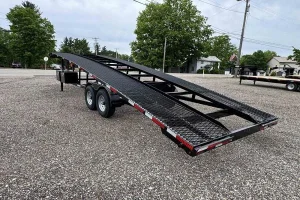
3 Car Wedge Trailer: How Can It Improve Vehicle Transport Efficiency?

Tilt Trailer Single Axle: What Should You Know Before Buying?

