

A utility trailer is one of the most versatile, non-motorized vehicles used for transporting goods, equipment, and recreational items. When towed by a car, truck, or SUV, it becomes an indispensable asset for individuals and businesses that need to move large or bulky items that cannot fit inside a standard vehicle. From home improvement projects to commercial deliveries, utility trailers make transportation safer, more efficient, and more flexible.
Utility trailers come in many forms — from small, single-axle models perfect for household chores to large, multi-axle trailers built for heavy-duty hauling. They can be flatbed, enclosed, or specialized designs for specific tasks such as car hauling or moving machinery. Because of their versatility, they are found in nearly every sector, from landscaping and farming to construction and recreation.
However, like any piece of equipment, utility trailers have a limited useful life. Understanding what affects their lifespan helps owners plan maintenance, prevent costly breakdowns, and ensure long-term reliability.
What Does “Useful Life” Mean?
The term useful life refers to the period during which a trailer can safely and efficiently perform its intended function before it becomes uneconomical or unsafe to operate. This is not just about how long a trailer lasts physically, but also how well it continues to serve its purpose without requiring excessive repair or posing safety risks.
In financial terms, understanding useful life also helps determine depreciation — the gradual decline in value as a trailer ages. Knowing when a trailer reaches the end of its useful life enables owners to plan replacements strategically, maintain productivity, and manage budgets effectively.

Average Lifespan by Type and Material
The useful life of a utility trailer varies widely depending on its construction material, design, and intensity of use. Generally, most trailers last between 10 and 20 years when properly maintained. Let’s explore this in detail.
Steel Trailers
Steel trailers are known for their exceptional strength and ability to carry heavy loads. They are cost-effective and ideal for rugged work such as construction or industrial transport. However, steel is susceptible to rust and corrosion, especially in humid or coastal regions. Without protective coatings, even a strong steel frame can deteriorate quickly. With regular cleaning, painting, and anti-rust treatment, a steel trailer can serve reliably for 10–15 years.
Aluminum Trailers
Aluminum trailers are lighter, more corrosion-resistant, and easier to tow. They are especially suited for areas with harsh climates or for users who prioritize fuel efficiency. Aluminum trailers can often last 20 years or more with minimal maintenance, although they are not as rigid as steel when subjected to extremely heavy loads. They tend to cost more initially but offer better long-term value due to their resistance to rust and ease of upkeep.
Open vs. Enclosed Trailers
Open flatbed trailers typically experience faster wear due to constant exposure to the elements, while enclosed trailers benefit from protection against moisture, UV rays, and debris. As a result, enclosed trailers often outlast open models by several years.
Commercial vs. Light-Duty Use
Commercial users who haul equipment daily will see faster wear than homeowners who use trailers only for seasonal chores. A commercial utility trailer might last 7–12 years, whereas a lightly used one could remain functional for two decades.
Factors That Influence a Trailer’s Lifespan
Several variables determine how long a utility trailer remains safe and operational. Let’s examine the major factors.
Material Quality
The trailer’s construction material defines its durability from day one.
● Steel: Strong but rust-prone. To protect it, apply rust-resistant coatings and store indoors whenever possible. Clean off road salt and debris regularly.
● Aluminum: Lightweight and corrosion-resistant, though less ideal for extreme heavy-duty hauling. Minimal maintenance is required, but owners should still inspect welds and stress points periodically.
The bottom line: choose a material based on your climate, load type, and maintenance commitment.
Frequency and Type of Use
A trailer’s lifespan is directly tied to how often and how intensely it’s used.
● Heavy-Duty Use: Regular transport of machinery, lumber, or equipment accelerates wear on axles, bearings, and frames. Off-road hauling further shortens life expectancy.
● Light-Duty Use: Occasional hauling of furniture, garden waste, or small equipment allows components to age slowly. Even so, periodic inspection is necessary to prevent unnoticed deterioration.
A trailer used lightly may last 15–20 years, while one used daily for demanding jobs may need replacement after 10–12 years.
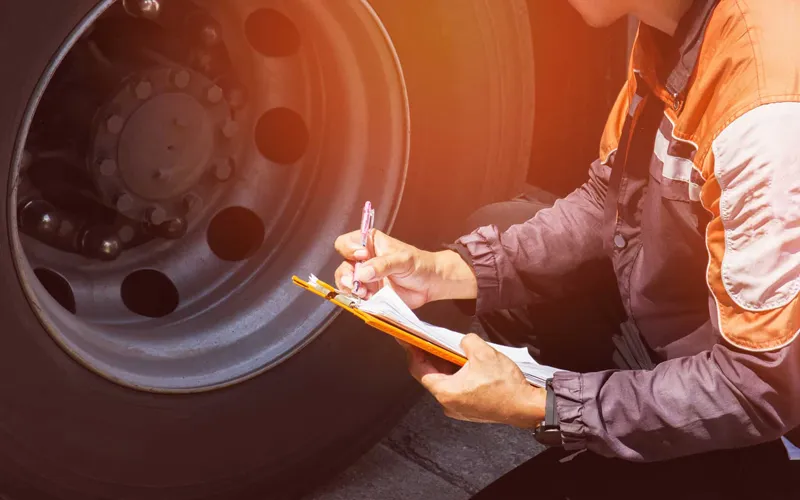
Maintenance Practices
Maintenance is the single most important determinant of longevity. A well-maintained trailer can last twice as long as a neglected one.
Tire Care:
Tires bear the trailer’s entire load. Check tire pressure monthly, inspect tread depth, and replace aging or cracked tires. Uneven wear usually signals alignment or suspension issues.
Lubrication:
Keep wheel bearings, hitches, and moving joints greased. Lack of lubrication increases friction, causing premature failure of axles and couplers.
Brakes and Lights:
Ensure brake systems and lighting function properly. Faulty lights or brakes are major safety hazards and common signs of neglect.
Frame and Structural Checks:
Inspect for cracks, rust, or bent components. Small issues can become catastrophic if ignored. Regular inspections prevent expensive structural repairs later.
Routine upkeep costs little compared to the price of replacing an entire trailer.

Storage Conditions
Storage greatly affects the trailer’s longevity.
● Indoor Storage: Ideal for preserving both steel and aluminum trailers. Protection from rain, snow, and UV rays prevents corrosion and fading.
● Outdoor Storage: If indoor space is unavailable, use weather-resistant covers and park on elevated ground to avoid moisture buildup. Shade and ventilation reduce heat and condensation damage.
Trailers left outdoors without protection deteriorate up to 40% faster than those stored under cover.
Design and Manufacturing Quality
Not all trailers are built the same.High-end models use precision welding, reinforced frames, and corrosion-resistant coatings that enhance durability. Cheaper models may cut corners on weld quality or component strength, leading to early fatigue.
When purchasing, look for manufacturers offering warranties and proof of compliance with safety standards (such as DOT or ISO certification).Good design decisions — like sealed wiring, galvanized axles, and modular components — often add years to a trailer’s life.
Signs That Your Trailer May Need Replacement
Recognizing early warning signs can save you from accidents and financial loss.
● Rust and Corrosion: Small surface rust is manageable, but deep structural corrosion compromises integrity.
● Cracked or Bent Frame: Indicates overloading or fatigue. Even minor cracks should be professionally inspected.
● Worn Tires and Bearings: Excessive vibration or uneven tread wear signals mechanical imbalance.
● Brake and Electrical Failures: Frequent malfunctions mean the wiring or brake assemblies have aged beyond repair.
● Costly Repairs: When annual repair expenses exceed 50% of the trailer’s replacement cost, replacement becomes the logical choice.
Safety should always take priority over short-term savings.

How to Extend the Useful Life of a Utility Trailer
To maximize your trailer’s value, adopt a proactive maintenance mindset. Here are proven methods to extend its service life:
1. Inspect regularly — Monthly for heavy use, quarterly for light use.
2. Clean thoroughly — Remove dirt, salt, and road debris after every trip.
3. Lubricate moving parts — Bearings, hinges, and couplers need periodic greasing.
4. Check fasteners — Tighten bolts and lugs that loosen from vibration.
5. Protect the finish — Apply rust inhibitors or wax coatings to exposed metal.
6. Monitor tires — Keep proper inflation and rotate annually.
7. Balance loads — Uneven distribution stresses axles and causes premature wear.
8. Cover or store indoors — Prevent UV damage and water ingress.
9. Repair early — Address minor defects before they escalate.
10. Document maintenance — Keep records for resale value and warranty claims.
A disciplined maintenance plan can extend lifespan by 30–50% and ensure reliable performance.
Expert Advice from the Field
Experienced mechanics and trailer manufacturers emphasize three golden rules:
● Choose the Right Material for Your Climate – Aluminum for humid or coastal areas; steel for rugged, heavy-duty applications.
● Stay Consistent with Maintenance – Skipping lubrication or inspections accelerates wear exponentially.
● Store Smartly – Sheltered storage is the cheapest insurance you can buy against corrosion and UV damage.
Some fleet operators even perform professional annual overhauls, replacing bearings, repainting frames, and checking wiring — extending total lifespan to 20–25 years in optimal cases.

Economic Perspective: Repair vs. Replacement
A common dilemma for trailer owners is deciding whether to repair or replace an aging trailer.If repairs cost less than 50% of a new model and the frame remains sound, repair is worthwhile. But when corrosion reaches the frame or axles show fatigue, replacement is safer and more cost-effective.
Tip: Keep track of cumulative repair costs over time. Once they surpass the residual value of the trailer, replacement becomes the logical financial decision.
Typical Lifespan Estimates
|
Trailer Type
|
Typical Useful Life
|
Maintenance Level
|
|---|---|---|
|
Steel Flatbed
|
10–15 years
|
High (requires rust prevention)
|
|
Aluminum Flatbed
|
15–20+ years
|
Low to moderate
|
|
Enclosed Steel
|
12–18 years
|
Moderate
|
|
Enclosed Aluminum
|
18–25 years
|
18–25 years
|
|
Heavy-Duty Commercial
|
Heavy-Duty Commercial
|
7–12 years
|
|
Light-Duty Personal Use
|
15–20 years
|
Moderate
|
Conclusion
The useful life of a utility trailer depends on what it’s made of, how it’s used, and how well it’s maintained.Steel trailers deliver unmatched strength but demand regular rust prevention. Aluminum models offer longer life with less upkeep. Most importantly, consistent inspection, lubrication, and smart storage practices will dramatically extend the years of safe use.
A well-maintained trailer is not just an expense — it’s a long-term asset. By caring for it properly, you can rely on it for decades of dependable service, avoid costly breakdowns, and maintain high resale value. Whether you’re a contractor, farmer, or weekend adventurer, proactive maintenance ensures that your utility trailer remains a trusted partner on every haul.
FAQ
How long does a steel utility trailer last?
Typically 10–15 years with proper maintenance. In coastal or humid climates, lifespan may shorten unless rust prevention is applied consistently.
How long can an aluminum trailer last?
With its corrosion resistance and lighter design, aluminum trailers can last 20 years or more, especially when stored indoors.
How can I tell if my trailer needs replacing?
Replace it when rust penetrates the frame, repairs become constant, or it’s no longer safe for highway use.
What maintenance has the biggest impact on trailer longevity?
Regular lubrication of bearings, proper tire pressure, and protection from moisture provide the greatest lifespan extension.
Does brand quality affect trailer life?
Yes. Reputable brands use higher-grade materials, better welds, and offer warranties that reflect superior craftsmanship.
Share This Post

Shyla Xi
Custom Your Trailer
Don’t hesitate to get in touch with us to explore our trailer and discuss how we can meet your unique requirements.
Latest Posts
Find Your Trailer
Recently Posts

How Does a Gravity Tilt Deck Trailer Work for Loading?

Tandem Axle Car Trailer: How to Choose the Right One


Thank you, I have just been searching forr information approximately this topic for ages and yours is the best I
have found out so far. But, what concerning the
conclusion? Are you sure inn regards to the supply?