

Trailer tires are essential components for the safe operation of any trailer, whether you’re hauling equipment, goods, or vehicles. Tires that are out of balance can lead to a series of problems, ranging from poor handling to increased wear and tear on your trailer and tires. In this article, we will guide you through the symptoms of unbalanced trailer tires, how to check for imbalance, common causes of imbalance, and preventative measures to keep your tires in top condition. We’ll also address some frequently asked questions at the end to give you further insight into trailer tire balancing.
Introduction
Why Tire Balance Matters for Trailers
Trailer tires play a crucial role in the overall performance of your trailer. Properly balanced tires ensure smooth towing, better fuel efficiency, longer tire lifespan, and increased safety. Unbalanced tires, however, can lead to vibration, uneven tire wear, reduced stability, and even potential tire blowouts. The importance of tire balance cannot be overstated, especially when towing heavy loads over long distances.
Unbalanced trailer tires not only make the ride uncomfortable, but they can also cause excessive wear on the axle, suspension components, and the tires themselves. Therefore, ensuring your trailer tires are properly balanced is essential for maintaining your trailer’s performance and safety.

Potential Consequences of Unbalanced Trailer Tires
The consequences of unbalanced tires on a trailer can range from mild discomfort to severe safety hazards. Some of the potential issues include:
● Vibration: Excessive vibrations from unbalanced tires can make driving difficult and uncomfortable. This can affect your control over the trailer and even your vehicle.
● Premature tire wear: Tires that are not balanced will wear unevenly, leading to early tire replacement and increased maintenance costs.
● Heat buildup: Unbalanced tires generate more friction, which can cause them to overheat and increase the risk of a blowout.
● Suspension damage: Constant vibrations and imbalanced load distribution can also lead to suspension system failure, causing costly repairs.
● Increased fuel consumption: Unbalanced tires create additional drag, which can reduce fuel efficiency while towing.


Typically found in smaller trailers, a single axle offers a simple configuration but limits load capacity.

Most common in larger trailers, tandem axles help distribute weight more evenly and improve stability.

Often used for hauling extremely heavy loads, tri-axles provide added stability and are ideal for commercial or industrial trailers.
Symptoms of Unbalanced Trailer Tires
Knowing the signs of unbalanced trailer tires is key to diagnosing the issue before it becomes a more serious problem. Here are some common symptoms:
Vibration While Driving
One of the most noticeable signs of unbalanced trailer tires is vibration. If you experience shaking or excessive movement while towing, especially at higher speeds, it’s a clear indicator that your tires may be out of balance. Vibration typically increases as speed rises and can be felt in both the steering wheel of the towing vehicle and the trailer itself.

Uneven Tire Wear
If your trailer tires show signs of uneven wear, such as wear spots or bald patches on one side of the tire, it may be due to an imbalance. When tires are not evenly balanced, certain parts of the tire experience more pressure than others, causing them to wear down faster. This can lead to a significantly reduced lifespan for your tires.

Swaying or Instability
Unbalanced tires can cause the trailer to sway, especially at higher speeds or when making sharp turns. If you notice that the trailer feels unstable or sways from side to side, it could be a result of one or more unbalanced tires. This instability can also be caused by an unbalanced load, but uneven tire balance is often a contributing factor.
Excessive Heat Build-Up
When tires are out of balance, they experience more friction, which leads to heat buildup. This can cause the rubber to degrade more quickly and increase the risk of tire blowouts. If you notice that your tires are excessively hot after driving, or if there’s a noticeable odor of burning rubber, this could be a sign of imbalance.
Poor Handling and Steering Response
Unbalanced tires can affect the handling of the trailer. If the trailer pulls to one side or if you feel a delay in response when steering, the tires might not be balanced properly. Poor handling can make driving more difficult, especially in windy conditions or when navigating tight turns.
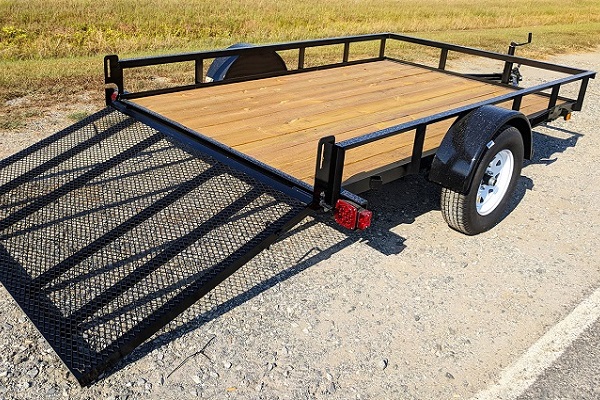
Suitable for lighter loads, typically up to 3,000-4,000 lbs.

Best for medium to heavy loads, typically up to 7,000-12,000 lbs.

Ideal for very heavy loads, supporting up to 20,000 lbs or more.
How to Check if Trailer Tires Are Out of Balance
If you suspect your trailer tires are out of balance, there are several ways to check and confirm the issue. Here are a few methods to assess the condition of your tires:
Flatbed Trailers
These versatile trailers often use tandem or tri-axle configurations to carry construction materials, vehicles, or machinery.
Enclosed Trailers
For hauling smaller or more sensitive cargo, a single or tandem axle setup is typically sufficient.
Utility Trailers
Smaller utility trailers used for gardening or moving items typically use a single axle for light-to-medium loads.
Specialized Trailers
These trailers, such as those for heavy equipment or oversized loads, may require more than two axles for added support and stability.
Visual Inspection of Tire Wear Patterns
Start by inspecting your tires visually. Look for signs of uneven wear, such as bald patches or areas of the tire that seem more worn than others. Pay close attention to the edges of the tires, as imbalanced tires often show wear patterns on one side. Uneven wear might indicate an imbalance or other underlying issues such as misalignment or improper inflation.

Manual Balancing Test (Using a Jack)
One simple way to check if a tire is out of balance is to perform a manual test. Use a jack to lift the trailer and take the weight off the tires. Spin each tire individually and observe how it moves. A balanced tire should spin smoothly and stop in any position without wobbling or swaying. If the tire wobbles or stops in a certain position, it may be unbalanced.
Test Drive for Vibration or Pulling
Another method to check for tire imbalance is to take the trailer for a short test drive. Pay close attention to how the trailer behaves while driving at various speeds. If you feel vibrations, pulling to one side, or instability, it could be a sign of unbalanced tires. Drive on a smooth, flat surface and try to maintain a consistent speed to isolate the issue.
Using a Tire Balancer or Professional Equipment
The most accurate way to check if your trailer tires are out of balance is to take them to a professional. Tire shops have specialized equipment known as tire balancers that can quickly detect any imbalance. These machines spin the tire and detect variations in weight distribution, allowing technicians to add the necessary balancing weights to restore balance.
Checking for Issues with the Wheel and Rim Alignment
Sometimes, the issue may not be the tire itself but the wheel or rim. Check if the wheel is properly aligned with the tire. Misalignment can lead to similar symptoms as unbalanced tires, such as vibrations or poor handling. Additionally, check for any damage to the rim, which may need repair or replacement.
Causes of Trailer Tire Imbalance
There are several factors that can cause a tire to become unbalanced. Understanding these causes can help prevent imbalances from occurring in the future.
Manufacturing Defects
Occasionally, tires may have imperfections due to manufacturing defects. These defects can cause uneven weight distribution or internal structural issues that lead to imbalances. While these defects are rare, they are possible, especially in low-quality or poorly made tires.
Loss of Weight or Tire Damage
Tires can become unbalanced if they lose some of their internal weight, such as from damage or wear over time. For instance, if a weight is lost during normal driving or if the tire is punctured or cracked, the balance of the tire can be affected. Damage can also cause deformation, making the tire wear unevenly and losing its ability to maintain proper balance.
Uneven Inflation Pressure
Incorrect tire pressure is another common cause of imbalance. Over-inflated or under-inflated tires will not wear evenly, which can cause an imbalance. It’s important to regularly check tire pressure and maintain it according to the manufacturer’s specifications.
Rim or Hub Damage
In some cases, the issue may lie with the wheel or rim, not the tire itself. Damaged rims can create an uneven surface that prevents the tire from balancing properly. Similarly, an issue with the hub or axle alignment can also lead to an imbalance. Inspect the rims and the area around the hub for any signs of damage or wear.
Overloading or Improper Load Distribution
Overloading a trailer or improperly distributing the load can cause an imbalance. If the weight on one side of the trailer is heavier than the other, this can create uneven pressure on the tires, leading to imbalance. Always ensure that your load is evenly distributed and does not exceed the weight limits recommended by the manufacturer.
Preventative Measures for Trailer Tire Balance
To keep your trailer tires in good condition and prevent imbalances, regular maintenance is crucial. Here are some steps you can take to ensure your tires stay balanced:
Regular Tire Inspections
Perform regular visual inspections of your tires to look for signs of uneven wear, cracks, or other damage. Inspecting your tires frequently can help identify issues early before they become serious problems.
Proper Tire Inflation Maintenance
Maintaining the correct tire pressure is essential for proper balance. Over or under-inflated tires are more likely to wear unevenly and become imbalanced. Use a reliable tire pressure gauge and check your tire pressure regularly, especially before long trips.
Routine Balancing and Alignment Checks
Have your trailer tires balanced and aligned by professionals at least once a year, or whenever you notice any of the symptoms mentioned earlier. Routine balancing will ensure that your tires wear evenly and that your trailer handles smoothly.
Load Management and Distribution Tips
One of the most effective ways to prevent trailer tire imbalance is to ensure that the load is properly managed and evenly distributed. Improper load distribution can lead to significant strain on certain tires, causing them to wear unevenly and potentially become unbalanced. Here are some essential load management and distribution tips to help prevent tire imbalance:

1. Distribute Weight Evenly Across the Axles
When loading your trailer, always aim to distribute the weight as evenly as possible between the front and rear axles. This helps to prevent one set of tires from bearing more weight than the others, which could lead to uneven wear and imbalance. Ideally, the load should be centered on the trailer, with a slight bias toward the front of the trailer to ensure proper tongue weight on the towing vehicle. This distribution also improves the overall stability of the trailer while driving.
2. Avoid Overloading the Trailer
Exceeding the weight capacity of your trailer is a common cause of tire issues, including imbalance. Overloading not only causes excessive strain on the tires but also impacts the suspension, axles, and the vehicle towing the trailer. Always check the manufacturer’s weight limits for both the trailer and the tires to ensure you are within the safe operating range. An overloaded trailer can cause tires to become misaligned or unbalanced, leading to a range of safety hazards.
3. Balance the Load from Side to Side
In addition to distributing weight evenly from front to back, it’s also important to ensure that the load is balanced from side to side. Uneven load distribution can lead to a situation where one side of the trailer is heavier than the other, placing excessive weight on one or more tires. This imbalance can lead to uneven tire wear, where one tire wears out faster than the others. Always check that the load is evenly placed on both sides of the trailer, especially if you’re hauling items like machinery, equipment, or bulk goods.
4. Secure the Load Properly
A load that shifts during transit can throw off the balance of the trailer and its tires. Ensure that the load is securely fastened to prevent any movement while driving. Use tie-downs, straps, or other securing methods to keep the load stable and prevent it from shifting during transport. Shifting loads can cause instability in the trailer, resulting in uneven tire pressure and potential imbalance.
5. Use Load-Distribution Devices (If Necessary)
In some cases, using load-distribution devices, such as load-leveling hitches or air bags, can help maintain an even weight distribution and reduce the likelihood of unbalanced tires. These devices are especially useful for trailers that frequently carry heavy or uneven loads. By redistributing the weight more evenly across the axles, these devices can minimize the risk of tire imbalance caused by improper load distribution.
6. Avoid Overloading One Tire
Sometimes, load distribution issues arise because a trailer is loaded in such a way that one tire carries more weight than others. This is often seen when loads are not centered properly or when a portion of the trailer is overloaded. Always double-check that the heaviest part of the load is positioned close to the trailer’s center of gravity, and ensure that no one tire bears more weight than others.
7. Check Tire Pressure Regularly
Even with proper load distribution, tire pressure can affect the balance of the tires. Under-inflated tires tend to wear unevenly and can become imbalanced faster. Make sure to regularly check tire pressure, especially before long trips. Maintaining the correct tire pressure according to the manufacturer’s recommendations can help distribute the load evenly across the tire’s surface, promoting better balance and reducing wear.
By following these load management and distribution tips, you can significantly reduce the risk of unbalanced tires on your trailer. Proper load distribution not only ensures the longevity and performance of your tires but also improves the overall safety and stability of your trailer, reducing the risk of accidents caused by imbalance.
Tire and Rim Quality Considerations
Investing in high-quality tires and rims is one of the best preventative measures you can take to avoid tire imbalance. Cheap or low-quality tires are more likely to have manufacturing defects, and subpar rims may be prone to warping, which can throw off the balance of the tire. Always choose tires and rims that meet or exceed the standards set by the trailer manufacturer. Well-built tires and rims are less likely to develop issues that could affect balance, helping to extend the lifespan of both your tires and trailer components.
What to Do If Your Trailer Tires Are Out of Balance
If you confirm that your trailer tires are unbalanced, it’s important to address the issue promptly to prevent further damage or safety risks. Here are the steps to take:
Immediate Steps to Take (Safety Measures)
If you experience symptoms of unbalanced tires while driving, such as vibration or swaying, it’s essential to pull over to a safe location as soon as possible. Continuing to drive with unbalanced tires can cause further damage to the tires, suspension, and other trailer components.
Once safely stopped, inspect the tires for visible signs of damage. If the imbalance is severe, it’s advisable not to continue driving until the problem is fixed. If you are unsure about the condition of your tires or how to correct the imbalance, call for roadside assistance or a tire professional to inspect and repair the tires.
When to Seek Professional Help
While some trailer owners may choose to address minor tire balancing issues themselves, it’s always recommended to consult a professional if you’re not experienced with tire maintenance. Tire balancing involves precise adjustments and specialized equipment that many DIYers may not have access to. If you’re unable to fix the issue yourself, or if you suspect other underlying problems (such as rim damage or misalignment), take your trailer to a reputable tire shop or mechanic for a thorough inspection and balancing.
The Importance of Timely Balancing and Repairs
Don’t delay tire balancing and repair once you notice an issue. Prolonging the imbalance can lead to premature tire wear, excessive damage to the suspension system, and decreased safety while towing. Timely intervention can save you money on repairs and replacement parts and ensure that your trailer operates smoothly and safely.
Conclusion
1. Summary of Key Points
Trailer tire balance is essential for maintaining the smooth operation, safety, and longevity of your trailer. Unbalanced tires can cause issues such as vibration, poor handling, premature tire wear, and even damage to other components of the trailer. It’s important to regularly inspect your tires, ensure proper inflation, and balance them periodically to avoid these problems. If you notice any symptoms of imbalance, such as excessive vibration, uneven tire wear, or swaying, take immediate action to have your tires checked and balanced.
2. Importance of Regular Tire Maintenance
Regular maintenance is crucial to ensuring your trailer tires stay in optimal condition. This includes checking for tire damage, maintaining the correct tire pressure, balancing the tires, and inspecting the wheels for any misalignment or damage. Proper tire care not only prevents imbalances but also enhances the performance and safety of your trailer, especially when carrying heavy loads.
3. Final Thoughts on Preventing Tire Imbalance
Preventing tire imbalance begins with good habits. Regular inspections, maintaining proper tire pressure, distributing weight evenly across the trailer, and choosing high-quality tires and rims are all essential steps in preventing imbalance. By staying on top of your trailer’s tire health, you can extend the lifespan of your tires, avoid costly repairs, and ensure your trailer operates smoothly and safely on the road.
Taking care of your trailer tires isn’t just about prolonging their life—it’s also about safety. Balanced tires improve your control over the trailer, reduce the risk of accidents, and contribute to a more comfortable driving experience. Be proactive in maintaining your trailer’s tires, and you’ll reap the benefits of better performance and fewer unexpected problems on the road.
FAQ
How Often Should Trailer Tires Be Balanced?
The frequency of tire balancing depends on various factors, including how often the trailer is used, the type of terrain driven on, and the load carried. As a general rule, trailer tires should be balanced at least once a year, or every 10,000 to 15,000 miles. However, if you notice any signs of imbalance, such as vibration, uneven wear, or instability, it’s a good idea to have them checked and balanced sooner.
Can Unbalanced Trailer Tires Cause Damage to the Trailer?
Yes, unbalanced trailer tires can cause significant damage to your trailer. Continuous vibrations from imbalanced tires can stress suspension components, axles, and wheel bearings. This additional wear and tear can result in costly repairs to these parts. Furthermore, unbalanced tires can cause uneven wear, leading to the premature replacement of both tires and trailer components, which can add up over time.
How Do I Know if My Trailer Tires Need Replacement Instead of Balancing?
There are several ways to determine if your tires need to be replaced rather than just balanced:
● Visible damage: If your tires show signs of cracks, bulges, punctures, or deep cuts, they may need to be replaced.
● Excessive wear: If the tread is worn down significantly or unevenly (especially if it cannot be corrected through balancing), replacement may be necessary.
● Age of the tire: Even if the tires appear to have good tread, tires over 6-10 years old may need to be replaced, as the rubber degrades over time.
● Frequent balancing issues: If balancing doesn’t resolve the issues, the tires may have internal damage that requires replacement.
If you’re unsure, a professional tire technician can help you decide whether balancing or replacing the tires is the best option.
Can I Balance Trailer Tires Myself?
While it is possible to balance trailer tires yourself using specific equipment, such as a manual tire balancer, it requires a level of expertise and experience. Balancing tires accurately is critical for the performance and safety of your trailer, and improper balancing could worsen the issue. If you’re unfamiliar with tire balancing techniques or don’t have the necessary tools, it’s recommended to seek professional assistance. A tire shop with the right equipment can perform the job more efficiently and with better accuracy.
What’s the Difference Between Balancing Car Tires and Trailer Tires?
The fundamental difference between balancing car tires and trailer tires lies in the structure and usage of the tires:
● Car tires are typically balanced to handle dynamic driving conditions and varying speeds. Balancing usually occurs in conjunction with alignment checks to ensure optimal performance.
● Trailer tires are built to carry heavy, consistent loads and typically experience less variable speeds and driving conditions. Because trailers often operate at slower speeds, balancing is crucial to ensure stability while towing, especially during long-distance trips.
In both cases, balancing is done using specialized equipment, but trailer tire balancing tends to focus more on ensuring stability under load, as opposed to dynamic road conditions.
Share This Post

Shyla Xi
Custom Your Trailer
Don’t hesitate to get in touch with us to explore our trailer and discuss how we can meet your unique requirements.
Latest Posts
Find Your Trailer
Recently Posts
3 Car Wedge Trailer: How Can It Improve Vehicle Transport Efficiency?

Tilt Trailer Single Axle: What Should You Know Before Buying?

