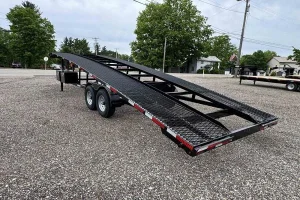
When it comes to car trailers, the decking is one of the most crucial components. It provides the surface that supports your vehicle, ensures stability during transport, and affects the overall durability of the trailer. Choosing the right material for your trailer decking is essential, as it influences weight capacity, longevity, maintenance requirements, and even safety.

In this comprehensive guide, we will explore the various types of car trailer decking materials, their pros and cons, installation techniques, maintenance tips, and cost factors. Whether you're upgrading an old trailer or building a new one, this guide will help you make an informed decision.
There are several materials available for car trailer decking, each offering unique advantages and drawbacks. Below, we examine the most common options to help you decide which is best for your needs.
Wood is one of the most popular choices for car trailer decking due to its affordability, ease of installation, and natural traction. It provides a reliable surface that minimizes the risk of vehicles slipping during loading and transport.
Pros:
- Cost-effective compared to metal or composite options.
- Provides excellent grip for vehicle tires.
- Easy to cut, install, and replace when damaged.
Cons:
- Prone to moisture damage, leading to rot and warping.
- Requires regular sealing or treatment to prevent decay.
- Can crack or splinter under extreme stress.
Best Wood Options for Trailer Decking:
- Pressure-Treated Lumber: Chemically treated to resist moisture and insects.
- Oak: Dense and durable but heavier than other wood types.
- Douglas Fir: A good balance between strength and weight.
- Apitong: A tropical hardwood known for its longevity and resilience.
Steel is an excellent choice for those who need a high-strength, durable decking material. It is capable of handling heavy loads and extreme conditions, making it a preferred option for industrial and heavy-duty trailers.
Pros:
- Exceptional durability and resistance to heavy loads.
- Less likely to suffer from warping or cracking.
- Longer lifespan with proper maintenance.
Cons:
- Heavy, which may increase overall trailer weight and reduce fuel efficiency.
- Vulnerable to rust and corrosion if not properly coated.
- Expensive compared to wood.
Aluminum decking is a popular choice for those who prioritize a lightweight, corrosion-resistant solution. It offers many of the benefits of steel without the added weight.
Pros:
- Resistant to rust and corrosion.
- Lightweight, which helps improve fuel efficiency.
- Low maintenance compared to wood and steel.
Cons:
- Not as strong as steel, making it less suitable for extremely heavy loads.
- More expensive than wood and some steel options.
- Can become slippery if not textured properly.
When selecting a decking material for your car trailer, consider the following factors:
- Weight Capacity: Steel supports heavier loads but is heavier itself.
- Weather Resistance: Aluminum and composite decking resist corrosion better than wood and steel.
- Maintenance: Wood requires frequent sealing, while aluminum needs minimal upkeep.
- Cost: Wood is the most budget-friendly option, whereas aluminum and composite materials tend to be pricier.
The best wood options for car trailer decking include pressure-treated lumber, oak, Douglas fir, and Apitong. These types of wood offer a balance of durability, moisture resistance, and affordability.
To prevent wood decking from rotting, apply a high-quality wood sealant regularly, store the trailer in a dry location, and inspect it for moisture damage frequently. Using pressure-treated wood can also help extend its lifespan.
Metal decking, such as steel or aluminum, is more durable and requires less maintenance than wood. However, wood provides better traction, is easier to replace, and is more cost-effective. The best choice depends on your specific needs and budget.
The lifespan of trailer decking depends on the material and maintenance. Wood decking typically lasts 5–10 years with proper care, while steel and aluminum decking can last significantly longer if maintained properly.
Yes, installing trailer decking is a manageable DIY project if you have basic tools and skills. Make sure to measure accurately, secure the decking properly, and apply protective coatings to extend its life.