

Utility trailers and cargo trailers are essential tools for businesses and individuals alike, offering versatile solutions for transporting goods, equipment, and materials. Despite their similar purpose, utility trailers and cargo trailers differ significantly in design, functionality, and applications. Understanding these differences is key to choosing the right trailer for your needs.
About Utility Trailers and Cargo Trailers
Utility trailers are open, flatbed-style trailers, often equipped with low side rails. They are commonly used for hauling landscaping equipment, construction materials, and other items that do not require protection from the elements. Cargo trailers, on the other hand, are enclosed and provide a secure, weather-resistant space for transporting goods. They are ideal for delivering fragile or valuable items and long-distance hauling.
Utility trailers, while straightforward in their design, cater to various industries due to their adaptability. From farming and landscaping to recreational uses such as carrying ATVs and camping gear, these trailers support a broad spectrum of applications. On the contrary, cargo trailers are often used by businesses needing to protect items like electronics, furniture, or perishable goods from environmental factors.


Diffrences Between Utility and Cargo Trailers
Size and Capacity
Utility trailers are open, flatbed-style trailers, often equipped with low side rails. They are commonly used for hauling landscaping equipment, construction materials, and other items that do not require protection from the elements. Cargo trailers, on the other hand, are enclosed and provide a secure, weather-resistant space for transporting goods. They are ideal for delivering fragile or valuable items and long-distance hauling.
Utility trailers, while straightforward in their design, cater to various industries due to their adaptability. From farming and landscaping to recreational uses such as carrying ATVs and camping gear, these trailers support a broad spectrum of applications. On the contrary, cargo trailers are often used by businesses needing to protect items like electronics, furniture, or perishable goods from environmental factors.
Durability and Material
Utility trailers are often constructed with steel or aluminum frames and wood or metal flooring. While durable, their open design exposes them to weathering. Cargo trailers, with their fully enclosed aluminum or steel exteriors, are better suited for protection against harsh weather conditions. This makes them a more durable option for long-term or frequent use.
For instance, galvanized steel utility trailers offer resistance to corrosion, but the lack of a roof leaves them vulnerable to rain or snow. Cargo trailers, being enclosed, prevent water damage and also deter theft. The flooring in cargo trailers often includes reinforced plywood or rubberized surfaces, enhancing the durability of the interior.
Usage Scenarios: Pros and Cons

Utility Trailers
Pros: Affordable, versatile, easy to clean, and ideal for oversized loads.
Cons: Limited protection from weather, security concerns.

Cargo Trailers
Pros: Secure, weather-resistant, customizable interiors.
Cons: Higher cost, heavier, less suitable for irregularly shaped items.
Utility trailers excel in quick, low-cost transportation solutions for items that can withstand exposure. However, cargo trailers offer peace of mind for those transporting high-value or weather-sensitive goods, justifying their higher price point.
Expert Advice
Key Factors to Consider When Selecting a Trailer
● Purpose: Determine whether your primary need is transporting bulky items or securely hauling valuable goods.
● Budget: Utility trailers are more budget-friendly, while cargo trailers offer additional features at a higher cost.
● Towing Capacity: Match the trailer’s weight and load capacity to your vehicle’s towing limits.
Additionally, consider the frequency of use and the specific conditions under which the trailer will operate. For example, trailers used in snowy climates might require anti-slip flooring or insulated interiors.
Tips for Maintaining Your Trailer
● Regularly inspect tires for wear and proper inflation.
● Lubricate moving parts, such as hinges and couplers.
● Check and maintain the braking system to ensure safety.
● Clean the trailer thoroughly after use to prevent rust and debris buildup.
Cargo trailers may also require periodic sealing of their exterior to maintain waterproofing, while utility trailers benefit from applying protective coatings to their open metal surfaces. Routine maintenance ensures a longer lifespan and reliability.
Case Studies
How a Utility Trailer Improved Business Operations for a Landscaping Company
GreenScape Landscaping, a medium-sized company, struggled to transport bulky lawnmowers, soil, and plants efficiently. By investing in a utility trailer with an extended bed and ramp, the team reduced loading time by 30% and increased daily job completions by 20%. The open design also allowed for quick cleaning and maintenance.
Moreover, GreenScape integrated a custom attachment system for securing tools and equipment, further optimizing their operations. This adaptability underscores the utility trailer’s effectiveness for businesses needing flexibility and durability.
Transitioning to Cargo Trailers: A Delivery Company's Journey
Swift Deliveries transitioned from open trucks to cargo trailers to improve security and weather protection. By customizing the trailer with shelving and climate control, the company ensured safe delivery of perishable items. This transition reduced product damage claims by 40% and increased customer satisfaction.
Additionally, the company invested in GPS tracking for their cargo trailers, enhancing logistical efficiency and real-time monitoring. The enclosed design of the trailers also allowed them to expand their operations into fragile electronics delivery, demonstrating the versatile advantages of cargo trailers.
Custom Modifications for Utility Trailers: A Customer Success Story
John, a DIY enthusiast, transformed his utility trailer into a mobile workshop by adding tool racks, a foldable workbench, and solar panels. The modifications not only increased the trailer’s functionality but also showcased its adaptability for non-traditional uses.
His innovative setup also featured a portable water tank and a small generator, enabling him to conduct projects on remote sites. This story highlights the potential of utility trailers as customizable platforms for diverse needs.
Final Tips for Choosing the Right Trailer
Assess your requirements carefully, prioritize safety and maintenance, and invest in a trailer that aligns with your long-term goals. Whether it’s a utility trailer for landscaping or a cargo trailer for secure deliveries, making the right choice will enhance efficiency and satisfaction.
When in doubt, consult with industry experts or trailer specialists to gain personalized recommendations. Investing in the right trailer can be transformative for your personal or professional projects.
Conclusion
Utility trailers offer affordability, versatility, and ease of use, while cargo trailers excel in security and weather protection. Your choice depends on the nature of your hauling needs.
Utility trailers serve best in scenarios requiring quick access and flexibility, whereas cargo trailers are indispensable for protecting valuable or sensitive cargo.
FAQ
What is the primary difference between a utility trailer and a cargo trailer?
Utility trailers are open and versatile, while cargo trailers are enclosed and secure.
Can utility trailers be customized for specific needs?
Yes, utility trailers can be modified with tool racks, ramps, and other features.
What are the maintenance requirements for utility trailers?
Regular cleaning, tire checks, lubrication, and brake inspections are essential.
How do I determine the right trailer size for my needs?
Consider the dimensions of the items you plan to haul and the towing capacity of your vehicle.
What safety measures should I consider when using a trailer?
Ensure proper weight distribution, use safety chains, and inspect hitch connections regularly
Share This Post

Lalune Teng
Custom Your Trailer
Don’t hesitate to get in touch with us to explore our trailer and discuss how we can meet your unique requirements.
Latest Posts
Find Your Trailer
Recently Posts
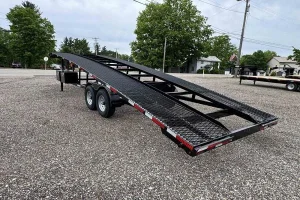
3 Car Wedge Trailer: How Can It Improve Vehicle Transport Efficiency?

Tilt Trailer Single Axle: What Should You Know Before Buying?


Really helpful comparison! I liked how you highlighted the flexibility of utility trailers versus the protection offered by cargo trailers. It’s true that choosing between the two often depends on the nature of the load and how frequently you’re hauling. I’ve used both over the years—utility trailers are great for yard work and equipment, but I definitely prefer enclosed cargo trailers for long-distance hauls or sensitive items. Would love to see a follow-up post on maintenance tips for both types!
Great read! I really liked how clearly you explained the topic. Looking forward to more informative posts like this!
Great comparison! This clarified the differences between utility and cargo trailers. Very helpful for someone considering a purchase.