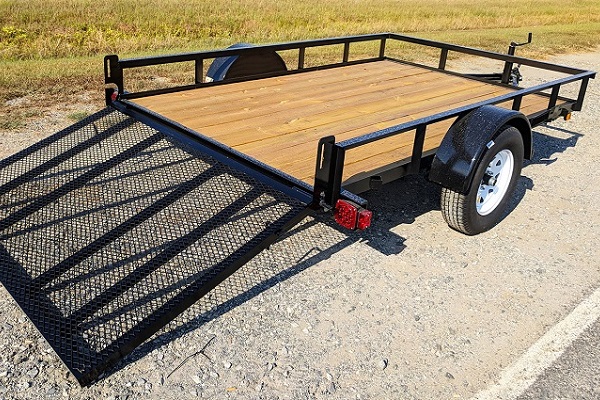
Understanding Utility Trailers
Before exploring the wide range of uses, it’s essential to understand what a Utility Trailer actually is. A utility trailer is a non-motorized vehicle attached to another vehicle, designed for hauling goods, tools, or equipment. These trailers come in different configurations based on purpose and load capacity.

The most common types include open utility trailers, perfect for quick loading and unloading; enclosed trailers, ideal for protecting valuable cargo; dump trailers, often used for construction debris; and tilt trailers, which make loading heavy equipment easier. The right choice depends on how much you need to transport and in what conditions you'll be operating.
Commercial users often need larger, enclosed, or reinforced trailers, while residential users may prefer lightweight, open models that are easy to store.
Residential Applications
A Utility Trailer is not just for professionals. Homeowners use it daily for simple yet essential tasks — from hauling landscaping materials and garden tools to transporting renovation waste or moving furniture. Its value lies in convenience: one trailer can replace multiple trips in a car or pickup truck.

For example, a small open trailer can carry soil, plants, and lumber for backyard projects. During home renovations, it simplifies junk removal and saves both time and fuel. Safety should always be considered: secure loads properly and check tire pressure before driving.
Many homeowners praise how owning a utility trailer helps them maintain order at home — no need to rent vehicles or pay for delivery services.
Commercial and Industrial Use Cases
When it comes to business, a Utility Trailer is a true asset. Small and medium-sized companies rely on them for deliveries, logistics, and on-site transportation. The Best Utility Trailer for Small Business often depends on operational needs. Landscapers, for instance, require open flatbeds with ramps to load mowers and tools, while construction companies benefit from enclosed trailers that protect expensive machinery.

In agriculture, farmers use utility trailers for carrying feed, produce, or small equipment between fields. In logistics, they serve as flexible backup options for light cargo delivery.
Customization plays a vital role — choosing the right size, frame material, and axle configuration can significantly boost productivity. For example, a dual-axle aluminum trailer may cost more upfront but provides stability and durability for years of heavy-duty work.
Key Features and Safety Highlights
Utility Trailers come in various materials, but two dominate the market: steel and aluminum. Steel trailers are known for strength and affordability, while aluminum offers corrosion resistance and lighter weight.
Comparison of Steel vs Aluminum Trailers
| Feature | Steel Utility Trailer | Aluminum Utility Trailer |
|---|---|---|
| Weight | Heavier, sturdy | Lightweight, easy to tow |
| Durability | Prone to rust | Rust-resistant |
| Cost | Lower upfront | Higher initial cost |
| Maintenance | Requires repainting | Minimal care needed |
Safety is equally important. Always check the braking system, wiring connections, and tire condition before each trip. Quality locking mechanisms prevent theft, and anti-slip flooring ensures safety during loading.Routine inspection is part of every owner’s responsibility — one of the most overlooked yet crucial Utility Trailer Maintenance Tips. Greasing axles, checking bolts, and cleaning surfaces regularly extend the trailer’s life.
Economic Value and Cost Analysis
From a financial perspective, owning a Utility Trailer can be more cost-effective than renting, especially for regular users. Over time, the cumulative rental fees may far exceed the price of ownership.
Ownership vs Rental Cost Comparison
| Duration | Rent (per day) | Rent (per year) | Purchase (one-time) |
|---|---|---|---|
| Short-term | $40 | $14,600 | $2,000–$5,000 |
| Long-term | N/A | $0 after ownership | Ongoing value |
Ownership also brings flexibility — you can use the trailer anytime without booking or availability concerns. Moreover, businesses often recover their investment within a year due to improved logistics efficiency and fuel savings.
For readers who want to explore official manufacturing standards, certifications, and best practices in the trailer industry, visit the National Association of Trailer Manufacturers (NATM)
for verified resources and safety guidelines.
Buying Guide and Selection Tips
If you are wondering How to Choose a Utility Trailer, start with your purpose. Will you use it for light domestic tasks, or will it handle heavy equipment daily? Consider these aspects:

1. Load Capacity: Choose a trailer with a Gross Vehicle Weight Rating (GVWR) higher than your average load.
2. Material: Steel for heavy-duty jobs, aluminum for lightweight, rust-free needs.
3. Braking System: Electric brakes provide better control for larger loads.
4. Tire and Axle Quality: Ensure tires are rated for highway use, and axles are robust enough for frequent trips.
5. Brand Reputation: Always buy from manufacturers with reliable customer service and spare parts support.
User Experience and Real Stories
Utility Trailer owners often share similar satisfaction stories. Home users appreciate how easy it makes weekend projects. They no longer rely on friends’ trucks or rental services. Small business owners, on the other hand, value how it enhances their daily operations — improving delivery schedules and reducing transportation costs.
For instance, a landscaping company reported saving 25% on fuel costs after switching from multiple vans to a single truck and trailer combination. Similarly, a family-owned construction business in Texas noted that an enclosed utility trailer not only protected their tools but also served as mobile storage on job sites.
These experiences underline a simple truth: investing in a high-quality Utility Trailer pays off in time, cost, and reliability.
Expert Advice
Industry experts recommend balancing quality and practicality when purchasing or maintaining a Utility Trailer. Always check the manufacturer's certification label to confirm load ratings and safety compliance. When in doubt, consult professionals about axle alignment, brake settings, or wiring installation.

Experts also advise regular record-keeping for maintenance schedules. Logging tire changes, lubrication dates, and inspections helps ensure safety and resale value. A well-documented trailer history can even attract higher buyers when it's time to upgrade.
Another piece of expert advice: store your trailer under cover or use a protective tarp to reduce weather damage, especially for steel models.
Conclusion
The Utility Trailer stands as one of the most reliable and adaptable tools for modern life. From households to farms to small businesses, its value lies in simplicity and flexibility. It empowers users to transport, organize, and expand operations efficiently.
Choosing the right trailer and maintaining it properly ensures years of dependable service. Whether you’re a homeowner seeking convenience or a company aiming to streamline logistics, investing in a quality Utility Trailer is a decision that brings consistent returns.
Three Horses Trailer continues to deliver practical, durable, and safe solutions tailored to diverse customer needs. Explore the range and experience how the right trailer can transform the way you move and work.
FAQ
What size trailer is best for holiday travel?
The ideal size depends on your needs. Families often prefer medium-sized enclosed trailers, while extended trips may require travel trailers with built-in amenities.
Can any car tow a trailer?
Not all vehicles are suitable. Check your car’s towing capacity and ensure it matches the trailer’s weight. Consider upgrades to brakes or suspension if needed.
How can I prevent trailer sway?
Evenly distribute weight, avoid sudden movements, and use sway control devices. Driving at moderate speeds also minimizes sway.
Are there legal requirements for towing a trailer?
Yes, these vary by region. Common requirements include functional brake lights, safety chains, and, in some cases, towing licenses.
How often should trailers be inspected?
Inspect before each trip and schedule professional checks annually. Routine maintenance ensures safety and longevity
Share This Post
Lalune Teng
Lalune Teng is a seasoned expert in the trailer field with a passion for the trailer manufacturing industry, Lalune specializes in making the connection between innovative trailer solutions and the needs of the customer to help them find the perfect trailer to meet their needs, with over 5 years of professional experience. Lalune is responsible for creating educational and promotional content on car trailers, utility trailers, dump trailers and more. Her work highlights the company's dedication to quality and customization,. Contact Lalune through our latest articles where she shares knowledge, tips and updates on modern trailer solutions!
Table of Contents
Custom Your Trailers
Don’t hesitate to get in touch with us to explore our trailer and discuss how we can meet your unique requirements.
Find Your Trailer
Recently Posts


Car Moving Trailer: How to Choose the Right Trailer for Vehicle Transport
