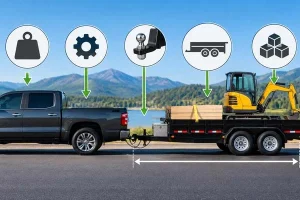
A utility trailer side ramp is one of the most practical design upgrades for people who regularly transport equipment, lawn mowers, ATVs, small tractors, or construction tools. Instead of struggling with rear ramps or lifting heavy items manually, a side ramp allows equipment to be loaded from the side of the trailer quickly and safely. For many operators, especially landscapers, farmers, and contractors, a utility trailer with a side ramp dramatically improves daily workflow. It reduces loading time, lowers the risk of injuries, and allows operators to load equipment even in tight spaces where rear ramp access might be blocked.

Another major advantage of a utility trailer side ramp is flexibility. Traditional trailers often rely on rear loading ramps, but those ramps require significant space behind the trailer. In crowded work areas such as job sites, residential streets, or parking lots, there may not be enough room to deploy a long rear ramp. A side ramp solves this problem by allowing equipment to be driven onto the trailer from the side, making the trailer much easier to use in confined environments. Many modern trailer manufacturers have started incorporating side ramps into their utility trailer designs specifically because professionals value this feature.
A utility trailer side ramp is a foldable or detachable ramp installed on the side rail of a trailer that allows equipment to be loaded from the side instead of the rear. These ramps are typically made from steel mesh, expanded metal, or aluminum grid panels that provide strong traction for vehicle tires. When not in use, the ramp folds vertically and locks into place against the trailer side wall. This design ensures that the ramp does not interfere with cargo space while still remaining easily accessible whenever loading is required.
The design of a utility trailer side ramp often includes reinforced hinges, support brackets, and locking mechanisms that allow the ramp to withstand significant weight. Many side ramps are designed to support loads between 1000 and 3000 pounds depending on the trailer type and ramp material. Because the ramp sits lower to the ground than many rear ramps, the loading angle is usually more gradual. This is especially helpful when loading heavy equipment like zero turn mowers or small skid steers, which benefit from a smoother approach angle to prevent undercarriage scraping.
Professionals who work in landscaping, construction, agriculture, and property maintenance often prefer trailers equipped with side ramps because of the operational efficiency they provide. A utility trailer side ramp allows operators to load equipment quickly without needing to reposition the towing vehicle multiple times. Imagine arriving at a job site with limited space. With a traditional rear ramp, you may need to carefully align the trailer to allow room behind it. With a side ramp, you can simply park, unfold the ramp, and drive equipment directly onto the deck.
Another reason professionals favor side ramps is safety. Lifting equipment manually can lead to serious injuries, especially when handling heavy lawn equipment or power tools. A properly designed utility trailer side ramp eliminates the need for manual lifting in many situations. Operators simply drive or push equipment up the ramp and secure it once it reaches the trailer deck. This reduces physical strain and improves workplace safety, which is particularly important for teams that load and unload equipment several times per day.
The load capacity of a utility trailer side ramp is one of the most important factors to evaluate before purchasing a trailer. Not all ramps are designed for heavy machinery, so buyers must verify the ramp's weight rating. If you plan to transport riding mowers, ATVs, compact tractors, or small construction equipment, you should choose a ramp capable of supporting the combined weight of the machine and the operator. Strong ramp frames are typically constructed from reinforced steel tubing or heavy aluminum channels that prevent bending under load.
Ramp traction is another important feature because it directly affects loading safety. Many utility trailer side ramps use expanded metal mesh surfaces that provide excellent tire grip even when wet. Some ramps also incorporate punched steel holes or serrated edges that help prevent slipping. Good traction becomes particularly important when loading equipment in rainy conditions or on muddy job sites. Without proper traction, equipment tires may spin or slide while climbing the ramp, creating dangerous situations.
A reliable folding mechanism allows the side ramp to be quickly deployed and stored. Most modern ramps use spring assisted hinges that make lifting the ramp easier for operators. These hinges also help control the ramp when lowering it to the ground, preventing sudden drops that could damage the ramp or injure the user. Locking pins or latches secure the ramp in an upright position during transportation to ensure the ramp remains stable while the trailer is moving.
Utility trailers with side ramps are used across many industries because they provide versatile loading options. Landscaping companies frequently rely on side ramp trailers to transport lawn mowers, trimmers, and other equipment between job sites. The ability to drive mowers directly onto the trailer from the side makes daily operations significantly faster. In agriculture, farmers use side ramp trailers to load small tractors, feed carts, and utility vehicles quickly without needing large open spaces behind the trailer.
Contractors also benefit from the convenience of a side ramp trailer when transporting generators, compact loaders, or building materials. Because construction sites often have limited maneuvering space, the side ramp allows equipment to be loaded even when the rear of the trailer is blocked by other vehicles or structures. This flexibility is one of the reasons side ramp utility trailers continue to grow in popularity among professionals who depend on efficient equipment transportation.
Both side ramps and rear ramps serve the same basic purpose of loading equipment onto a trailer, but each design offers different advantages. Rear ramps are common on many utility trailers because they allow wide equipment to be loaded easily. However, they require significant clearance behind the trailer to deploy properly. In contrast, a utility trailer side ramp allows equipment to be loaded in tighter environments. This is particularly useful for urban landscaping businesses or contractors working in narrow residential areas.
Side ramps also make it easier to organize cargo inside the trailer. When equipment is loaded from the side, operators can position machines precisely without needing to drive the entire length of the trailer deck. This can be helpful when transporting multiple pieces of equipment at once. However, side ramps typically support narrower loading widths compared to rear ramps, so they may not be suitable for extremely wide machinery. Choosing the right ramp style depends largely on the type of equipment being transported and the work environments where the trailer will be used.
Maintaining a utility trailer side ramp is essential to ensure safe and reliable operation. Over time, ramps experience stress from repeated loading cycles and exposure to weather conditions. Regular inspection of ramp hinges, weld joints, and support brackets can help identify potential issues before they become serious problems. If rust begins forming on steel ramps, it should be removed and treated with protective coatings to prevent further corrosion.
Lubricating ramp hinges is another important maintenance step. Hinges that become stiff can make ramp operation difficult and may eventually fail if not properly maintained. A simple application of grease or lubricant helps ensure the ramp opens and closes smoothly. Operators should also check ramp locking mechanisms regularly to confirm they remain secure during transportation. A ramp that accidentally drops while driving could create a dangerous situation for other vehicles on the road.
Choosing the right utility trailer side ramp begins with understanding how the trailer will be used. Buyers should evaluate the weight and dimensions of the equipment they plan to transport. If the equipment is particularly heavy, a reinforced steel ramp may provide better durability. Aluminum ramps may be lighter and resistant to rust, but they must still be rated for the intended load. Evaluating the ramp angle is also important because steeper ramps can make loading more difficult for low clearance equipment.
Another consideration is trailer deck height. Lower deck trailers create a shallower ramp angle, making loading easier for equipment with limited ground clearance. Buyers should also examine ramp width to ensure the equipment tires fit comfortably within the ramp surface area. By carefully evaluating these factors, buyers can select a utility trailer side ramp that provides both safety and long term reliability.
A utility trailer side ramp offers a practical solution for professionals who need efficient equipment loading. Whether used by landscapers, contractors, farmers, or equipment rental companies, side ramp trailers provide convenience, flexibility, and improved safety compared to traditional loading methods. The ability to load equipment from the side makes it easier to operate in tight environments and reduces the physical effort required during daily work routines.
When selecting a utility trailer side ramp, it is important to evaluate load capacity, ramp traction, hinge quality, and overall trailer design. A well built ramp can significantly improve productivity and ensure equipment is transported safely between job sites. For anyone who frequently moves heavy equipment, investing in a quality utility trailer with a side ramp can make everyday tasks much faster and easier.
Utility trailer side ramps are commonly used to load equipment such as lawn mowers, ATVs, small tractors, generators, and construction tools. Because the ramp allows equipment to drive directly onto the trailer deck, it is ideal for machines that have wheels and can climb moderate ramp angles. The exact equipment that can be loaded depends on the ramp's weight capacity and width. Operators should always confirm that the ramp rating exceeds the weight of the equipment being transported to ensure safe operation.
Yes, utility trailer side ramps can safely support heavy equipment if they are properly designed and rated for the intended load. Many ramps are constructed using reinforced steel frames that provide strong structural support. Safety also depends on proper ramp deployment and stable ground conditions during loading. Operators should ensure the ramp rests securely on the ground and that the trailer is connected to the towing vehicle before loading equipment.
Most utility trailer side ramps are designed to fold vertically along the side wall of the trailer, so they do not significantly reduce cargo space. When folded upright, the ramp usually locks into position against the trailer rail. This design allows the full trailer deck to remain available for equipment or cargo. Some trailers also include removable side ramps that can be detached entirely when not needed.
The width of a side ramp should be wide enough to comfortably support the tires or tracks of the equipment being loaded. For example, lawn mowers typically require ramps that are at least several inches wider than the mower wheel base. Wider ramps provide better stability and reduce the risk of tires slipping off the edge during loading. Buyers should always measure their equipment before selecting a trailer ramp.
Whether a side ramp is better than a rear ramp depends on the working environment and equipment type. Side ramps are ideal for tight spaces where rear access may be blocked. They also allow faster loading in many situations. Rear ramps, on the other hand, may provide wider loading surfaces for large equipment. Many professionals choose trailers that offer both options to maximize flexibility in different working conditions.