When it comes to transporting vehicles efficiently and with minimal hassle, single axle tilt car trailers offer a streamlined solution that caters to both casual haulers and professional users. These trailers are designed to reduce loading times, enhance maneuverability, and provide a lightweight yet robust platform for your car transport needs. Unlike traditional trailers with fixed beds and external ramps, tilt trailers simplify the process by integrating the loading mechanism directly into the trailer bed itself.

A single axle tilt car trailer is a specific type of trailer that features one axle and a bed that tilts to the ground, eliminating the need for additional ramps. This design enables the trailer bed to act as its own loading ramp. The result is a faster and safer loading process, particularly beneficial for low-clearance vehicles or for users operating without assistance. The simplicity of the design makes it ideal for transporting light to medium-weight cars and equipment.
The tilt mechanism operates by pivoting the trailer bed at a hinge point located near the axle. Depending on the model, the tilt can be assisted by hydraulic cylinders, torsion springs, or gravity-based systems. Once the bed is tilted and touches the ground, a vehicle can be driven or winched onto the trailer. After loading, the trailer bed is returned to its horizontal position and locked securely into place. This efficient design not only saves time but also reduces the physical strain of loading and unloading heavy equipment.
Single axle tilt trailers provide a wealth of benefits that make them a popular choice for many users. Firstly, the absence of ramps makes the trailer much easier to set up and use, especially when operating alone. Their lightweight construction allows for better fuel efficiency and makes them compatible with smaller towing vehicles. Maintenance is also simplified due to fewer components compared to dual-axle models. For those on a budget or with limited storage space, these trailers are a practical and economical choice.
One of the biggest advantages of single axle tilt trailers is their simplicity. With fewer moving parts, no need for external ramps, and intuitive loading, even first-time users can operate them with confidence.
These trailers are often less expensive than dual axle options, both in upfront cost and long-term maintenance. Their design minimizes wear and tear, reducing the need for frequent repairs or part replacements.
The single axle configuration means less overall weight, making it easier to tow with standard trucks, SUVs, or even larger crossovers. This also contributes to improved gas mileage during transport.
A single axle trailer is ideal when you’re hauling lighter loads, generally under 5,000 pounds. They're easier to maneuver in tight spaces, require less maintenance, and are usually cheaper. However, if you regularly transport heavier vehicles or need added stability on long hauls, a tandem axle trailer might be a better fit. For occasional use and everyday hauling of small cars or equipment, single axle tilt trailers strike the perfect balance of performance and convenience.
Single axle tilt car trailers are widely used in a variety of scenarios. Their versatility makes them suitable for individuals and professionals across multiple industries. From private car owners needing to tow a car for repairs to landscape professionals transporting mowers and equipment, these trailers offer a practical solution.
Whether you’re towing your vehicle to a mechanic, moving across town, or heading to a race track, single axle tilt trailers provide a safe and simple transport method that doesn’t require assistance or complex setups.
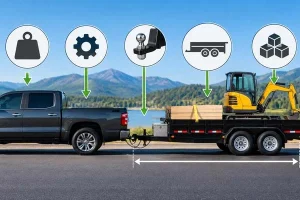
Perfect for landscapers, contractors, and farmers, these trailers can easily accommodate lawn tractors, small excavators, and other compact machinery. The tilt feature simplifies the loading process even when terrain is uneven.
From ATVs and dirt bikes to golf carts, these trailers are a favorite among outdoor enthusiasts. Their portability and user-friendly design make weekend getaways more efficient and enjoyable.
Most single axle tilt trailers have a Gross Vehicle Weight Rating (GVWR) between 3,000 and 5,000 pounds. To find the usable payload, subtract the trailer's weight from its GVWR. This tells you how much load you can safely haul.
It depends on your local laws. In many states, brakes are required if the trailer exceeds 3,000 lbs. Always check with your DMV or transport authority to ensure compliance and safety.
Tilt trailers are often easier to use because they eliminate the need for ramps. They are especially useful for low-clearance vehicles and solo users. However, ramp trailers may be more economical if you don’t mind the extra setup time.
Absolutely. As long as the trailer is in good condition, properly maintained, and loaded within its capacity, it’s suitable for long-distance transport. Just remember to inspect your gear regularly during the trip.
Measure your car’s length, width, and weight. Then compare it to the trailer’s bed size and weight capacity. Always leave a little extra room to accommodate straps and ensure balanced loading.
Share This Post

Lalune Teng
Custom Your Trailer
Don’t hesitate to get in touch with us to explore our trailer and discuss how we can meet your unique requirements.
Latest Posts
Find Your Trailer
Recently Posts