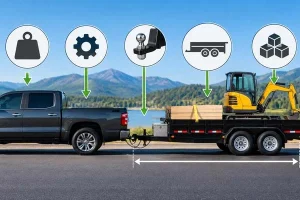
A 6x10 utility trailer aluminum setup is one of the smartest trailer choices for people who need real hauling space without stepping into oversized trailer territory. It gives you far more usable room than a pickup bed, but it still stays light enough to tow, easy enough to store, and simple enough to handle for everyday work. That balance is exactly why this trailer size keeps showing up in searches from homeowners, landscapers, small contractors, ATV owners, and people who are tired of making two trips for a job that should take one.
The real appeal is not just the size. It is the combination of size and material. A 6x10 aluminum utility trailer gives you practical deck space for mowers, furniture, tools, small machines, and weekend hauling jobs, while aluminum construction helps keep the trailer lighter, cleaner, and easier to maintain over the long run. If you want a trailer that feels useful on Monday, Saturday, and every random project in between, this is one of the strongest options on the market.

People usually land on this trailer size after running into the same frustrating problem. Their vehicle can tow something, but their truck bed or cargo area is no longer enough. They need more room, but they do not want a trailer so large that it becomes awkward in tight driveways, crowded neighborhoods, or daily storage. A 6x10 utility trailer aluminum model sits right in that sweet spot. It feels like a serious upgrade in hauling capacity without becoming overkill.
Pickup beds are helpful until they are not. A mower fits, but now the trimmer, fuel cans, and bags of mulch are fighting for space. A couch fits, but now the dresser and boxes do not. Building materials fit, but only if they are arranged like a puzzle. This is where people start realizing they do not really need a bigger truck. What they need is a compact utility trailer that adds usable cargo length and width without forcing a full vehicle upgrade.
A 6x10 utility trailer aluminum option solves that problem quickly. The ten foot deck gives you space to spread out the load, strap it down properly, and haul it with more confidence. Instead of stacking items too high or balancing awkward cargo in a truck bed, you get a flatter, safer, more workable setup.
Small trailers have become more popular because more people are towing with SUVs, crossovers, and light duty trucks instead of full size heavy duty pickups. They want equipment that works with the vehicle they already own. A lightweight aluminum utility trailer makes that possible. It expands what your vehicle can do without demanding more fuel, more parking space, or a more expensive tow setup than the job actually requires.
On paper, six feet by ten feet might sound simple. In real use, it is surprisingly capable. This trailer size gives you a deck that can handle lawn and garden equipment, moving cargo, small machines, weekend toys, and jobsite supplies while still fitting in places where longer trailers feel clumsy. It is the kind of trailer that works because it does not try to be everything. It just covers a huge number of common hauling needs really well.
Most 6x10 utility trailer aluminum models provide roughly six feet of width and ten feet of usable deck length. Depending on the manufacturer, you may also get side rails, front rails, a rear ramp gate, and a slightly raised frame structure that helps secure different types of cargo. That footprint is large enough for real work, but still manageable for backing, turning, and parking.
For many buyers, this size feels like the first trailer that delivers noticeable hauling freedom without becoming a storage burden. It is small enough to live in a driveway or side yard, but large enough to make everyday transport jobs dramatically easier.
Payload varies based on axle rating, frame design, and deck construction, but many 6x10 aluminum utility trailers can handle somewhere between 1500 and 3000 pounds. That gives you enough capacity for riding mowers, several pieces of landscaping equipment, furniture, ATVs, tool loads, and a wide range of materials for property maintenance or light commercial work.
This is where buyers should pay attention. The trailer size may stay the same, but the real carrying ability can differ a lot from one model to another. A trailer built for occasional residential hauling is not always the same as one designed for daily business use.
Most 6x10 aluminum trailers use a single axle, and for many buyers that is perfectly fine. Single axle trailers are lighter, easier to maintain, and usually more affordable. For users hauling heavier machines or working in more demanding conditions, some brands offer tandem axle versions that improve weight distribution and increase capacity. The right choice depends on what you actually haul, not just what sounds better on paper.
This trailer size keeps gaining attention because it answers several common pain points at once. It is easier to tow than larger trailers, easier to maintain than many steel models, and versatile enough for both work and personal hauling. That combination is hard to beat.
One of the strongest reasons people look for a 6x10 utility trailer aluminum model is towing ease. Aluminum construction reduces trailer weight, which matters more than many first time buyers expect. A lighter trailer puts less strain on the engine, transmission, and brakes of the tow vehicle. It also helps with acceleration, stopping, and overall driving comfort.
That lighter weight can be the difference between towing with confidence and towing with constant tension. For people using midsize SUVs, crossovers, or light trucks, aluminum often makes the setup feel more realistic and more practical for regular use.
Rust is one of the biggest long term frustrations in trailer ownership. If a trailer lives outside, gets used in wet conditions, or sees road salt, corrosion can show up faster than expected. Aluminum utility trailers are attractive because they do not rust like traditional steel trailers. That does not mean they are maintenance free, but it does mean owners spend less time battling corrosion and surface deterioration.
For buyers in humid, rainy, coastal, or snowy regions, this is not a minor detail. It is one of the main reasons aluminum trailers keep attracting serious interest despite their higher upfront price.
Lower maintenance is another major selling point. Many owners do not want a trailer that becomes a repainting project every couple of years. They want something they can use, rinse off, inspect, and keep moving. A 6x10 aluminum utility trailer fits that mindset well. Basic maintenance still matters, especially for tires, bearings, lights, and fasteners, but the frame itself generally demands less work over time than a comparable steel trailer.
A lot of trailer articles stay too abstract. Real buyers usually want to know one thing first. What can this trailer actually carry in everyday life. The answer is a lot more than people assume.
This is one of the most common uses. A 6x10 utility trailer aluminum trailer is often large enough for a riding mower, push mower, string trimmer, blower, fuel cans, and extra yard tools. For property maintenance, landscaping crews, and homeowners with larger lots, it creates a much more organized hauling setup than trying to cram everything into a truck bed.
The open design also helps on the job. You can load quickly, unload quickly, and reach tools from different sides without digging through a closed cargo box. That alone saves time on repeat jobs.
ATV owners and equipment users are another major audience for this trailer size. A 6x10 utility trailer aluminum model can often handle one or more small recreational vehicles, compact tractors, power equipment, generators, or small construction tools depending on the trailer rating and how the deck is configured. The ramp gate adds convenience because machines can usually be rolled or driven onto the trailer without extra loading gear.
For small moves and everyday hauling, this trailer size is genuinely useful. It can carry couches, mattresses, dressers, refrigerators, shelving units, and stacks of boxes that would never fit comfortably in a vehicle. For people who frequently buy large items, renovate rooms, move appliances, or help family members relocate, a 6x10 aluminum utility trailer becomes one of those purchases that keeps paying for itself every time it prevents a rental.
Not all trailers in this size category deserve the same attention. Some are built for occasional light use. Others are engineered for repeated hauling and daily wear. The difference often comes down to a few core design details that affect strength, usability, and how well the trailer ages.
The quality of the aluminum frame matters more than the simple fact that the trailer is aluminum. Buyers should look at how the frame is built, how clean and consistent the welds are, and whether the design includes proper reinforcement in the right places. A well built aluminum utility trailer should feel solid, not flimsy.
Cross members under the deck help distribute the load and support the flooring. When these are well designed and spaced properly, the trailer handles repeated loading better and resists flexing under heavy cargo. That is especially important when hauling machines with concentrated wheel loads, such as mowers or ATVs. A trailer can look good from the outside and still disappoint if the underlying support structure is weak.
The rear ramp gate is one of the most important practical features on a utility trailer. If you plan to load anything with wheels, this part of the trailer becomes essential. The gate needs to be strong enough for the intended load, easy enough to use regularly, and secure enough when upright during transport.
Mesh ramp gates are common because they are lighter and allow airflow when towing. They are practical for lawn and garden work, general hauling, and smaller machines. Solid aluminum ramps or removable ramp systems can be better for certain equipment needs or for buyers who want lower wind resistance. The right choice depends on what you carry most often. Someone hauling furniture may care less about the ramp material. Someone loading machines every day definitely will not.
Even within aluminum utility trailers, deck materials can vary. Some use treated wood over an aluminum frame, while others use full aluminum decking. Wood can be cost effective and easy to replace, but it may require more upkeep over time. Aluminum decking offers better weather resistance and a more premium feel, but it may raise the price. There is no universal answer here. The better choice depends on usage frequency, weather conditions, and how long you plan to keep the trailer.
Choosing the right trailer is not just about size. It is about matching the trailer to your real workload. A trailer that is perfect for weekend home projects may fall short for daily commercial hauling. On the other hand, paying for extra capacity and features you will never use does not make much sense either.
This is where smart buyers slow down and look at the numbers. GVWR tells you the maximum total weight the trailer can safely handle, including the trailer itself and the cargo. Payload tells you how much cargo you can actually load. If you skip this step, you risk buying a trailer that looks right but works wrong.
A 6x10 utility trailer aluminum trailer should not be chosen based on size alone. The better question is what you haul most often, how heavy it is, and whether your towing vehicle can handle the full setup safely.
Deck layout affects more than appearance. Side rail height, ramp style, floor material, and front rail design all change how easy the trailer is to use. Buyers hauling loose materials may want stronger side containment. Buyers loading wheeled equipment may prioritize a better ramp gate and lower loading angle. Buyers transporting larger household items may prefer a more open structure that gives them flexibility with cargo dimensions.
A trailer is only as useful as its ability to secure the load. Good tie down points make a major difference. They allow you to strap cargo safely, reduce shifting on the road, and give you more flexibility for different hauling jobs. This is especially important for equipment, appliances, furniture, and anything tall or irregularly shaped. A well designed 6x10 aluminum utility trailer should make cargo securement feel straightforward rather than improvised.
Even a compact trailer deserves serious attention when towing. The lighter weight makes it easier to handle, but safe towing still depends on setup, balance, and routine checks.
Poor weight distribution is one of the fastest ways to make a trailer feel unstable. In general, more of the load should sit slightly forward of the axle so the tongue has proper downward force. If cargo is too far back, sway becomes more likely. If it is too far forward, the tow vehicle can become overloaded. Good balance makes the whole combination feel calmer and safer on the road.
Lights are not a detail to ignore. Brake lights, turn signals, marker lights, and wiring connections all need to work correctly before every trip. An aluminum utility trailer that looks great but has unreliable lighting becomes a safety problem very quickly. Visibility matters even more if you tow early in the morning, late in the evening, or in poor weather.
Trailer tires often get less attention than they should. They can sit unused for periods of time, then suddenly be asked to carry a full load at highway speed. Pressure, sidewall condition, tread wear, and age all matter. A compact trailer is not immune to blowouts or tire related failures. Regular inspection is one of the easiest ways to protect both the trailer and the cargo.
This comparison comes up constantly, and it should. Steel trailers still have a place, especially in certain heavy duty applications, but many buyers looking at the 6x10 category are drawn to aluminum because it fits their real priorities better.
The weight advantage of aluminum is a major reason people choose it. A lighter trailer is easier to tow, easier to maneuver by hand in some situations, and easier on the towing vehicle overall. That does not automatically make aluminum better for every job, but it does make it extremely attractive for general hauling with light trucks, SUVs, and crossovers.
If your trailer will live outdoors, see rain regularly, or travel through wet and salty conditions, corrosion resistance becomes a serious ownership factor. Steel trailers can certainly last, but they typically require more attention to coatings, paint, and rust prevention. Aluminum has a built in advantage here, and for many buyers that advantage alone justifies the higher initial price.
Aluminum trailers often cost more up front, but the long term math can still work in their favor. Lower maintenance, better corrosion resistance, and strong resale appeal all help offset the initial purchase price. For buyers who plan to keep the trailer for years, not months, that ownership picture matters more than the sticker alone.
Yes, in many cases it is an excellent size for a riding mower. A 6x10 utility trailer aluminum trailer usually provides enough room not only for the mower itself but also for smaller tools, fuel cans, and additional landscaping equipment. The exact fit depends on the mower dimensions, but for many residential and commercial mowing setups, this trailer size works very well.
That depends on the axle rating, frame construction, deck design, and trailer specifications from the manufacturer. Many models in this size range can carry roughly 1500 to 3000 pounds of payload. Buyers should always confirm the actual rating instead of assuming all 6x10 trailers are equal. Size alone does not tell the full story.
Many SUVs, crossovers, midsize pickups, and light duty trucks can tow a 6x10 aluminum utility trailer because aluminum construction helps keep trailer weight lower. The right answer depends on the vehicle's towing capacity and the actual total load being hauled. A lightweight empty trailer may be easy to tow, but the cargo changes the equation. Always match the trailer and load to the tow rating of the vehicle.
Steel is often associated with maximum raw strength, especially in very heavy duty applications, but aluminum trailers can still offer excellent structural performance for the kinds of loads most buyers in this category actually haul. The better question is not which metal sounds tougher. It is which trailer is engineered better for your job, your climate, and your towing setup. For many everyday hauling needs, a well built aluminum utility trailer is more than strong enough and far easier to live with over time.
A 6x10 utility trailer aluminum trailer keeps attracting buyers because it solves real problems without creating new ones. It gives you more hauling space than a pickup bed, more flexibility than trying to borrow or rent equipment every time a project comes up, and more towing comfort than many larger trailers. It is compact, useful, efficient, and versatile. That combination is exactly why so many people keep searching for it, comparing it, and buying it.
For homeowners, small business owners, landscapers, equipment users, and practical buyers who want a trailer that earns its space, this size remains one of the smartest options available. It is not just a small trailer. It is often the trailer that fits real life best.