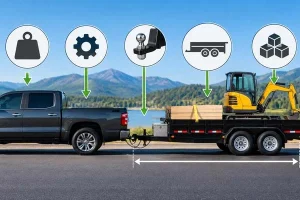
Utility trailers are among the most versatile pieces of equipment that can be used for a wide variety of tasks, ranging from moving household items to transporting heavy-duty equipment and vehicles. While a utility trailer is designed to last for many years, its tires experience constant wear and tear, just like any other component. Because of this, understanding the proper maintenance and knowing when to replace utility trailer tires is crucial.
Introduction
The tires on your trailer are the only contact point between your load and the road. This makes them integral to the safety, efficiency, and longevity of your utility trailer. As you use your trailer over time, you might begin to notice signs of wear, which begs the question: How often do you need to replace tires on a utility trailer?
Trailer tires are exposed to a variety of stressors, including weight, road conditions, and environmental factors. These conditions can affect how long your tires last and when they need to be replaced. In this article, we will explore the factors that influence tire lifespan, the signs that indicate it’s time to replace your trailer tires, and the proper maintenance that can help extend their life. By the end of this guide, you’ll have the knowledge necessary to keep your utility trailer tires in top shape and replace them at the right time to ensure your safety and the reliability of your trailer.

Key Factors Affecting Tire Lifespan
When it comes to trailer tires, several factors determine how long they will last before requiring replacement. Tire lifespan is not a one-size-fits-all answer. On average, utility trailer tires can last anywhere from 3,000 to 12,000 miles, but many factors can speed up or slow down the rate of tire wear. The more you understand these factors, the better you can maintain your tires and avoid premature tire replacement.
Frequency of Use
The frequency with which you use your utility trailer directly impacts the rate at which the tires wear. A trailer that is used regularly for hauling heavy loads or transporting materials will experience more wear and tear compared to one that is used infrequently for light tasks. The more often the tires make contact with the road, the faster they will degrade. Frequent use increases the chances of tire punctures, abrasions, and general wear due to the continuous friction between the tires and the surface of the road.
If your utility trailer is used for long-distance hauling, such as across highways or for commercial purposes, you might notice that the tires begin to show signs of wear earlier. On the other hand, if you only use the trailer for short, infrequent tasks, the tires might last longer. However, even if your trailer isn’t used often, tire aging is a factor that will still affect the rubber’s integrity over time, regardless of usage frequency.

Load Weight
The weight of the loads your utility trailer carries has a significant effect on the tire lifespan. Each tire is rated for a specific load limit, and exceeding this weight limit can cause the tires to wear out much faster than normal. Overloading your trailer increases the pressure and friction on the tires, which can lead to premature failure.
When you consistently overload the tires, they will become stressed, and the tread will begin to wear unevenly. The sidewalls can also begin to crack, and in extreme cases, the tire can blow out. It is essential to check the load capacity of your tires and ensure that you are not exceeding the recommended limits. Many utility trailer tire manufacturers provide specific load ratings, so be sure to consult your tire’s specifications to match it with the loads you plan to haul.
If you’re hauling extremely heavy loads on a regular basis, it’s also a good idea to invest in higher-rated tires designed for heavier weights. This can ensure that your tires last longer, and your trailer remains stable under heavy loads.

Road Conditions
The conditions of the roads your utility trailer travels on have a considerable impact on how long the tires will last. Driving on rough, uneven, or poorly maintained roads puts extra strain on the tires. Frequent exposure to potholes, gravel, and rough terrain can cause tires to degrade faster due to the additional friction and shocks absorbed by the tires.
On smoother, paved roads, the tires will last longer since there is less friction and wear. However, even on highways, the constant exposure to high speeds, heat, and the friction generated from the road surface can contribute to gradual tire wear. Regularly driving on highways at high speeds can heat up the tires, and heat is one of the primary factors that cause rubber to break down over time.
To prolong the life of your utility trailer tires, it is important to avoid driving over rough patches of road whenever possible. If you have to travel on gravel or uneven surfaces, try to reduce your speed to lessen the stress placed on the tires. Additionally, check the condition of your tires regularly to ensure they are not damaged by rough roads.

Tire Quality
Not all trailer tires are created equal. Tire quality plays a significant role in how long they will last. Premium-quality tires are made with better materials and more durable rubber compounds, which can increase their lifespan. These tires are designed to withstand the stresses of hauling heavy loads, travel on rough roads, and endure the wear caused by the elements.
When choosing tires for your utility trailer, always opt for high-quality, well-known brands that have a reputation for durability. Investing in good tires might cost more upfront, but in the long run, they can save you money by reducing the frequency of tire replacement and providing better performance.
Cheaper, lower-quality tires may be more affordable initially but could wear out much faster and provide less stability on the road. If you’re unsure about which tires to choose, ask for recommendations from other trailer owners or consult with a professional to ensure you make the right choice for your needs.

Signs That Indicate Tire Replacement Is Needed
Knowing when to replace your utility trailer tires is essential for maintaining the safety and performance of your trailer. Tire replacement should be done when the tires have worn out to the point where they can no longer perform effectively. Here are the most common signs that indicate it’s time for new tires.
Visible Damage
One of the clearest signs that your utility trailer tires need to be replaced is visible damage. Tires can become damaged in several ways, including:
- Cracks: If you notice cracks or cuts in the sidewalls or tread, it’s an indication that the tire is aging and may be at risk of blowing out.
- Bulges: Bulges in the sidewall indicate internal damage and are a major safety concern. If you see any bulging areas on your tire, it should be replaced immediately.
- Punctures: Small punctures in the tread are generally repairable, but large punctures or sidewall punctures typically require a full tire replacement.
If you spot any of these issues during a routine inspection, don’t hesitate to replace the tire to ensure safety.
Tread Wear
The tread on your trailer tires is essential for providing traction and stability. Over time, the tread will naturally wear down, but when it becomes too thin, it can affect the tire’s performance, especially in wet or slippery conditions.
To check the tread depth, use a tread depth gauge or perform the penny test. Insert a penny into the tread with Lincoln’s head facing down. If the top of his head is visible, the tire tread is too worn, and the tire needs to be replaced.
The minimum legal tread depth for tires is usually around 2/32 inches. However, for better performance and safety, it’s recommended to replace your utility trailer tires when the tread depth reaches 4/32 inches or lower.

Vibration or Poor Handling
If your utility trailer starts to vibrate or if it becomes harder to control, it could be a sign that your tires are worn unevenly or are in need of replacement. Tires that are worn down unevenly can cause instability, which can be dangerous when hauling heavy loads.
In addition, if the tires are improperly inflated, they can lead to vibration, and the handling of the trailer may be affected. If you notice any changes in handling or experience frequent vibrations, inspect your tires for signs of damage or wear, and replace them as necessary.
How Often Should Tires Be Replaced?
Based on Mileage
Utility trailer tires generally last between 3,000 to 12,000 miles, depending on usage, road conditions, and tire quality. If you regularly haul heavy loads or travel long distances, you can expect your tires to wear out quicker. For occasional or light use, your trailer tires can last much longer.
Regardless of the mileage, it’s always important to check for other signs of wear or damage, such as cracked sidewalls or excessive tread wear. Even if you haven’t reached the typical mileage limits, tire age should be taken into account when considering tire replacement.

Based on Time
In addition to mileage, time is another important factor in determining when to replace your utility trailer tires. Even if the tires haven’t reached their maximum mileage limit, they should be replaced every 6 years, as the rubber begins to degrade over time. If the tires are over 6 years old, they are at greater risk of failure, even if they look fine on the outside.
Heat, UV exposure, and the elements can cause the rubber to dry out and crack, even when the tires are not being used regularly. This is why tire replacement is recommended at the 6-year mark, regardless of how many miles you’ve put on your tires.
Maintenance Tips to Prolong Tire Life
To get the most out of your utility trailer tires, regular maintenance is key. By taking the time to inspect, maintain, and care for your tires, you can extend their life and reduce the likelihood of needing tire replacement prematurely.
Regular Inspection
Regularly inspect your utility trailer tires for visible damage such as cracks, punctures, or bulges. Check for uneven wear and ensure that the tread depth is adequate. Inspect the tires before each use and perform more thorough checks every 6 months. Early detection of issues can help prevent tire failure and unnecessary replacement.
Proper Tire Pressure
More axles can mean higher maintenance costs. FMaintaining the correct tire pressure is critical for maximizing the lifespan of your utility trailer tires. Over-inflated tires can cause excessive wear in the center of the tread, while under-inflated tires can cause the edges of the tread to wear out too quickly. Both can lead to reduced performance and a need for early tire replacement.
Check the tire pressure regularly and keep it at the manufacturer’s recommended level. The correct pressure will help ensure even wear, improve fuel efficiency, and provide a smoother ride.or instance, a tandem or tri-axle trailer requires more tires, which leads to higher tire replacement costs. Additionally, maintaining multiple axles means more frequent inspections and potential repairs. However, the increased stability and capacity often make the additional maintenance costs worthwhile, especially for those who regularly haul heavy loads.g and control, critical when hauling large or dangerous cargo.
Rotation and Balancing
Just like car tires, trailer tires benefit from rotation to ensure that they wear evenly. Rotate your tires every 6,000 to 8,000 miles or according to the manufacturer’s recommendations. This helps to distribute the wear across all tires and prolongs their lifespan.
Additionally, ensure that the tires are balanced properly. Poorly balanced tires can lead to uneven wear, vibrations, and handling issues. Regularly check that your tires are properly aligned and balanced to avoid premature tire replacement.
Conclusion
In conclusion, utility trailer tires are essential for the safety and functionality of your trailer. Understanding the factors that affect tire lifespan, such as frequency of use, load weight, and road conditions, can help you extend the life of your tires. Regular inspection, proper tire pressure maintenance, and timely tire replacement are key to ensuring that your trailer remains safe and efficient.
By following the advice in this guide, you can maximize the lifespan of your trailer tires and make informed decisions about when to replace them. Remember, safety comes first, and replacing tires at the right time is a crucial part of responsible trailer ownership.
FAQ
How long do utility trailer tires last?
On average, utility trailer tires last between 3,000 and 12,000 miles, depending on usage, load weight, road conditions, and tire maintenance. Tires that are used frequently for heavy loads will wear out faster, while tires used occasionally for light loads will last longer. However, even if the tire hasn’t reached the mileage limit, it should be replaced every 6 years due to tire aging.
Can you repair a utility trailer tire?
In many cases, utility trailer tires can be repaired if the damage is minor and located on the tread. Small punctures can often be patched, but if the tire has a large hole, sidewall damage, or significant wear, it’s safer to replace the tire entirely. Always assess the damage thoroughly and consult a professional if you’re unsure whether a repair is possible.
How do I know when my utility trailer tires are worn out?
The most obvious signs of worn-out utility trailer tires are visible damage (such as cracks, punctures, or bulges) and insufficient tread depth. You can use a tread depth gauge or the penny test to check the tread. Additionally, uneven wear patterns, vibrations, or poor handling while towing may indicate that your tires are worn and in need of replacement.
Share This Post

Shyla Xi
Custom Your Trailer
Don’t hesitate to get in touch with us to explore our trailer and discuss how we can meet your unique requirements.
Latest Posts
Find Your Trailer
Recently Posts