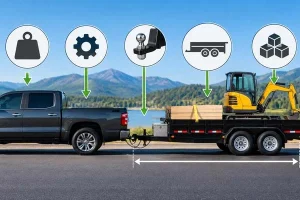
A 14 foot car hauler trailer is a compact yet versatile piece of equipment designed to transport a wide variety of vehicles safely and efficiently. It features a flat, open deck that typically measures 14 feet in length, offering enough space to carry small to mid-sized cars, ATVs, UTVs, lawn mowers, motorcycles, or other machinery. Due to its manageable size and moderate weight, this trailer is favored by both individuals and small businesses. It's a top choice for those who want the utility of a car hauler without the challenges that come with larger, more cumbersome trailers. Whether you're an auto enthusiast, contractor, or weekend warrior, a 14 foot car hauler is often the sweet spot between practicality and performance.

The average 14 foot trailer features a deck width ranging from 6.5 to 7 feet, which provides ample surface area for most passenger vehicles and recreational equipment. The height is low to the ground for easier loading and unloading, especially when paired with a dovetail design. Load capacity depends on the trailer’s materials and axle configuration. A typical 14 foot steel trailer with dual axles can support a Gross Vehicle Weight Rating (GVWR) of up to 7,000 pounds. Subtracting the trailer’s own weight (usually 1,200 to 1,800 pounds), this leaves you with a payload capacity of around 5,000 to 5,800 pounds—enough for most standard cars. This makes it a reliable solution for personal, commercial, or even emergency towing.
When choosing a 14 foot trailer, one of the most important decisions is whether to go with a single axle or tandem axle configuration. Single axle trailers are lighter, more affordable, and easier to maneuver, making them ideal for infrequent use and lighter loads. However, they typically offer lower payload capacities and less stability at highway speeds. Tandem axle trailers, on the other hand, are built to carry heavier weights, handle better over long distances, and offer improved braking due to the extra set of wheels. If you're regularly hauling heavier vehicles or traveling over long distances, a tandem axle trailer will provide better safety, ride quality, and peace of mind.
Choosing a 14 foot trailer offers the perfect blend of functionality and convenience. This length is long enough to carry most passenger cars, off-road vehicles, and small machinery while still being compact enough to store in a standard driveway or garage. It offers enough room to accommodate a wide range of loads without requiring a heavy-duty towing setup. Compared to 16- or 18-foot trailers, a 14 foot model is easier to handle, lighter in weight, and often more affordable. It’s an ideal option for people who need flexibility without the challenges of oversized trailers. Whether you’re towing for business, pleasure, or utility, the 14 foot trailer fits more use cases than you might think.
The 14 foot car hauler trailer shines in several everyday applications. For instance, mechanics and auto detailers often use it to transport client vehicles or project cars. Landscapers can haul riding mowers and tool carts, while motorsports enthusiasts load their bikes or ATVs for race weekends. It's also widely used by small contractors to move compact equipment like generators or light-duty machinery. The trailer is equally popular among people moving across town who need to haul a vehicle or large equipment without hiring a professional transporter. Its compact size and versatility make it an asset for a wide variety of scenarios, from business logistics to weekend recreation.
Every trailer size has trade-offs, and the 14 foot model is no different. Pros include excellent maneuverability, a more affordable price point, lower fuel consumption during towing, and easier storage. It doesn’t require a full-size truck for towing, making it accessible for more drivers. Cons, however, include limited space for extras or unusually large vehicles. For instance, if you intend to haul a long-wheelbase truck or need room for additional tools or cargo, a longer trailer might be necessary. Still, for most average needs, the 14 foot model hits the right balance between size and functionality.
Understanding the trailer’s weight and payload is critical to safe and legal towing. The weight of a 14 foot trailer on its own typically falls between 1,200 and 1,800 pounds depending on the material and construction style. A steel trailer with tandem axles might weigh more than an aluminum single-axle version. GVWR ratings usually range from 5,000 to 7,000 pounds. To calculate payload capacity, subtract the trailer’s empty weight from the GVWR. For example, a trailer weighing 1,500 pounds with a GVWR of 7,000 pounds can carry a payload of up to 5,500 pounds. Always check manufacturer specs before loading to avoid overloading, which can damage the trailer or your towing vehicle and violate road safety laws.
A high-quality 14 foot car hauler should come with practical features that enhance safety, usability, and lifespan. Ramps are a key element—slide-in ramps store under the deck for a cleaner look, while fold-up ramps are easier to deploy and store. Look for reinforced tie-down points like D-rings, stake pockets, or E-tracks to secure your load safely. Flooring is also important: treated wood is standard and affordable, while aluminum offers longer life and lower weight. Finally, check the lighting system. LED lights are brighter, last longer, and consume less power—perfect for nighttime or low-visibility hauls.
Steel trailers are favored for their strength and lower initial cost, especially when durability is a priority. They're perfect for tough jobs and heavy equipment, but they are prone to rust if not properly maintained. Aluminum trailers, while more expensive upfront, offer corrosion resistance, reduced weight, and better fuel efficiency when towing. If you live in a coastal or snowy area, aluminum may save you money over time by reducing maintenance needs. Ultimately, the choice depends on your budget, environment, and frequency of use.
In most states, you don’t need a Commercial Driver’s License (CDL) to operate a 14 foot car hauler trailer unless your total combined vehicle and trailer weight exceeds 26,000 pounds. This size trailer usually keeps you well below that threshold. However, rules vary depending on your location and what you’re hauling. For example, commercial use might require additional licensing even if the trailer itself is within standard limits. It’s always best to consult your local DMV to ensure you're in compliance.
While some smaller utility trailers may be exempt from registration in certain states, most car haulers—especially those used for transporting vehicles—must be registered with your state’s Department of Motor Vehicles. Insurance is often optional but highly recommended. Liability coverage protects you in the event of an accident, while full coverage may protect your investment from theft or damage. Commercial users may be required to carry specific policies depending on their state laws.
Price varies widely based on construction, brand, features, and condition. New trailers typically range from $2,800 to $6,000. A basic steel single-axle trailer will be on the lower end, while a dual-axle aluminum model with premium components (brakes, LED lights, custom flooring) may cost significantly more. Used trailers can cost as little as $1,500 if you’re willing to make repairs, though you’ll want to carefully inspect the brakes, tires, frame, and wiring before purchasing.
To keep your trailer in top shape, maintenance should be a regular part of ownership. Tires should be checked before every trip and rotated every few thousand miles. Keep wheel bearings greased and inspect your braking system often, especially if your trailer includes electric brakes. For steel trailers, wash them after each use and apply rust inhibitors annually. Keep your lights functional and wiring protected from wear and weather. A well-maintained trailer lasts longer, tows safer, and retains more value.
When your trailer is not in use, store it on flat, dry ground with wheel chocks to prevent rolling. Use a weatherproof cover or park it under a canopy or inside a garage to protect it from UV damage and rain. Elevating the trailer slightly off the ground using blocks helps prevent tire deformation and moisture buildup, especially during long storage periods. Also, disconnect the battery if equipped with electric brakes to avoid draining it over time.
You don’t need a massive truck to haul a 14 foot trailer. Mid-size pickups like the Toyota Tacoma, Ford Ranger, or Chevy Colorado can handle the job easily, provided their towing capacity meets or exceeds the trailer’s GVWR. Larger SUVs such as the Ford Explorer or Jeep Grand Cherokee are also capable if properly equipped with a towing package. Always verify your vehicle’s towing specs before hitching up. Weight distribution hitches or brake controllers may also be required depending on the load.
You can purchase trailers from authorized dealerships, farm supply chains, trailer-specific retailers, or online platforms like TrailerTrader, Facebook Marketplace, and Craigslist. When buying in person, inspect the trailer thoroughly—check for rust, verify brake functionality, examine tire condition, and ensure lights are in working order. If buying online, ask for detailed photos, maintenance history, and proof of title before making payment or pickup arrangements.
A 14 foot car hauler trailer offers a smart, affordable solution for transporting vehicles and equipment. With its practical size, decent payload capacity, and wide range of configurations, it's a versatile tool for both professionals and hobbyists. By selecting the right features, keeping up with maintenance, and understanding your legal responsibilities, you can get years of reliable service out of a single trailer. Whether you're towing for business or weekend fun, a 14 foot hauler has your back.
Yes, a 14 foot trailer can typically haul most full-size sedans and some light trucks. However, vehicles with extended wheelbases like long-bed pickups or full-size SUVs may be too large or too heavy. Always measure your vehicle and check the trailer’s payload capacity before loading.
In many states, trailer brakes are legally required for any trailer over 3,000 pounds. Most 14 foot trailers fall into that category. Electric brakes are the most common and should be paired with a brake controller in your tow vehicle for safe operation. Always check your local regulations to be sure.
A dovetail trailer features a slight slope at the rear of the deck, which makes it easier to load low-clearance vehicles like sports cars. A straight deck provides more flat surface area but requires longer ramps for loading. Your choice depends on what kind of vehicles or equipment you’re hauling.
Before each trip, conduct a full walk-around inspection. Check tire pressure, look for cracks in the frame or welds, ensure lights and brakes are working, and inspect tie-down points. Monthly or seasonal maintenance should include lubrication of moving parts and a closer check of brakes and bearings.
It depends on your budget and mechanical skills. New trailers offer peace of mind, warranties, and modern features. Used trailers are more affordable, but may need repairs. If you go the used route, inspect thoroughly or bring a mechanic to avoid surprise costs.