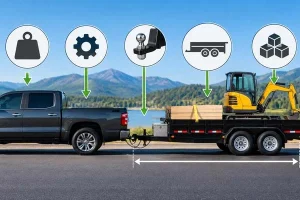
Choosing a car hauler trailer aluminum design has become one of the smartest decisions for anyone who regularly transports vehicles because aluminum trailers combine lightweight engineering, long term durability, and reduced maintenance in a way that traditional steel trailers struggle to match. When you invest in an aluminum car hauler, you are not just buying a piece of equipment, you are choosing a towing solution that saves fuel, protects your tow vehicle, and makes every trip more predictable and less stressful. As more buyers discover the practical advantages of aluminum, this type of trailer is quickly becoming the new standard in both consumer and professional markets.

The modern towing and transport industry is moving away from overly heavy equipment and toward lightweight solutions that improve efficiency without sacrificing safety. A car hauler trailer aluminum model fits perfectly into this shift because its lighter frame immediately reduces the total weight your tow vehicle has to pull, steer, and stop. Drivers who haul vehicles frequently notice the difference on the very first trip. Acceleration feels smoother, braking is more controlled, and low speed maneuvering becomes easier. For businesses, this reduced strain on tow vehicles translates into fewer mechanical problems, lower fuel bills, and more consistent performance over time.
Towing efficiency is one of the main reasons people search specifically for a car hauler trailer aluminum option instead of a basic steel model. Because aluminum has a higher strength to weight ratio, manufacturers can design strong frames that are significantly lighter than steel equivalents. That weight reduction means your tow vehicle uses less fuel, your transmission works under lower load, and your brakes do not have to fight as much momentum when you slow down. On long highway drives or mountain routes, this difference is very noticeable. The tow combination feels more agile and more responsive, which increases both comfort and safety for the driver.
An aluminum car hauler is not simply a steel trailer built in a different material. The entire structure is designed around the unique properties of aluminum, from the cross member spacing to the beam profiles and weld patterns. When you look closely at a well built aluminum hauler, you will notice that the engineering focuses on distributing stresses evenly, eliminating unnecessary mass, and protecting the trailer from long term environmental damage. These design decisions create a product that feels modern, efficient, and very user friendly compared with older, heavier steel setups.
The most obvious difference between aluminum and steel trailers is weight, but the real story lies in how each material behaves under load and over time. Steel is very strong but heavy, and it is more prone to rust when exposed to moisture and road salt. Aluminum has a lower density and a better strength to weight ratio, which allows engineers to use thicker profiles where needed while still ending up with a trailer that weighs considerably less. Modern aluminum alloys used in trailers are also designed to flex slightly under load rather than crack, which helps them handle vibration, bumps, and repeated loading cycles without structural failure when properly designed and maintained.
Corrosion resistance is a major reason many buyers move to a car hauler trailer aluminum model, especially if they live in coastal regions, snowy climates, or areas where roads are treated with salt. Steel trailers need constant attention to keep rust under control, including repainting, grinding, and patching. Aluminum does not rust in the same way. Instead, it forms a thin oxide layer that protects the underlying metal. This natural resistance means that even after years of exposure to rain and road spray, a well maintained aluminum trailer still looks presentable and remains structurally sound, which is crucial for both safety and appearance.
Some buyers worry that an aluminum trailer might not be strong enough to handle heavier vehicles, but that concern is usually based on older assumptions rather than current engineering. Today, high quality aluminum car hauler trailers are designed to carry sedans, sports cars, muscle cars, pickups, and many types of SUVs safely within their rated capacity. The key is to pay attention to the gross vehicle weight rating and the axle setup. When you match your vehicle weight to a properly engineered aluminum trailer, you can enjoy the benefits of reduced weight without sacrificing load capacity or safety margins.
The decision to choose an aluminum car hauler is usually driven by a combination of practical and financial benefits. Owners appreciate how much easier aluminum trailers are to live with on a daily basis, as well as how they help protect the tow vehicle, lower operating costs, and hold value over the long term. These advantages make them appealing not only to motorsport enthusiasts and collectors but also to dealerships, small transport businesses, and anyone who wants a trailer that will serve reliably for many years.
Fuel savings are one of the most immediate benefits of a car hauler trailer aluminum setup. Because the trailer itself weighs less, the engine does not have to work as hard to get the combination moving or keep it cruising at highway speed. Over hundreds or thousands of miles, this lower load translates into a noticeable reduction in fuel consumption. At the same time, reduced weight means less heat and wear inside the transmission and less strain on the brakes and suspension components of the tow vehicle. That can extend service intervals and help keep your truck or SUV in better condition for longer, which is especially valuable for businesses that depend on their vehicles every day.
Another major advantage of aluminum is the low level of maintenance it requires to stay in good condition. Where a steel trailer might need regular sanding and painting to stay ahead of rust, an aluminum car hauler usually only needs basic cleaning. A rinse with water and mild soap removes road dirt and salt, and a periodic check for loose fasteners or damaged hardware is normally enough to catch any issues early. This light maintenance load saves time and money over the lifetime of the trailer and reduces the risk of discovering serious corrosion problems at the worst possible moment.
Because aluminum trailers stand up so well to weather and everyday use, they tend to look and perform much better than steel trailers of the same age. That gives them a strong advantage on the used market. Buyers searching for a pre owned hauler are often willing to pay more for a car hauler trailer aluminum model because they know it is less likely to hide serious rust or structural concerns. For the original owner, this means a higher resale value and a lower total cost of ownership when it is time to upgrade or change trailers.
The light weight of aluminum also makes everyday handling more comfortable. Moving an empty trailer by hand, backing it into a tight storage spot, or aligning it with the tow hitch is noticeably easier when the frame does not weigh as much. This advantage becomes even more important for users who park trailers in crowded yards, short driveways, or shared storage areas. The easier a trailer is to move and position, the more likely you are to use it confidently and frequently without feeling intimidated by its size or weight.
Not all aluminum car hauler trailers are identical, and choosing the right one means understanding which features matter most for your specific situation. Considering the axle design, deck dimensions, ramp style, and tie down options before you buy will help you select a trailer that works smoothly with the vehicles you plan to transport and the roads you plan to travel.
The axle setup on a trailer has a major influence on how it behaves on the road. Tandem axles generally offer better stability and weight distribution than single axles, especially at highway speeds or on rough surfaces. Torsion axles provide a smoother, quieter ride because they absorb bumps individually, while traditional leaf spring axles remain popular for their simplicity and durability. Whichever type you choose, it is important to confirm that the axle ratings give you enough capacity for your vehicle plus a margin of safety. Matching the tow vehicle capacity, trailer rating, and vehicle weight correctly is essential for safe, legal towing.
The overall size and shape of the deck determine what you can carry and how easily you can load it. If you plan to haul a variety of vehicles, it is worth investing in a deck with enough length and width to accommodate your largest car or truck. For low profile sports cars, the load angle is critical. A car hauler trailer aluminum model with long ramps or a gentle tilt deck helps prevent front lips and exhaust systems from scraping during loading and unloading. Thinking ahead about the dimensions your vehicles require will prevent frustration later and ensure your trailer remains useful as your vehicle collection or business needs change.
Ramps are one of the most used parts of any car hauler, so it pays to choose a system that is easy to deploy and secure. Many aluminum trailers feature slide out ramps that store neatly under the deck when not in use, or fold down ramps that lock upright for travel. Tilt deck designs have grown in popularity because they allow you to drive directly onto the deck without handling separate ramps at all. When comparing models, consider how often you will load alone, what kind of vehicles you haul, and how much physical effort you want to invest every time you use the trailer.
Safe vehicle transport depends on solid tie down points. A good car hauler trailer aluminum design will include multiple reinforced anchor locations along the deck, allowing you to secure vehicles from all four corners and adjust strap positions for different wheelbases and chassis shapes. D rings, stake pockets, and optional side rails give you flexibility in how you secure loads. When you inspect a trailer, imagine where your straps or wheel nets will attach and make sure there are strong, conveniently placed points that match your preferred securing method.
Real world performance is where aluminum car hauler trailers prove their value. Owners who use them for long distance towing, daily dealership operations, race events, or regular vehicle deliveries consistently report that the combination of lighter weight, corrosion resistance, and strong construction leads to a better overall experience than they had with older steel trailers.
On long trips, even small differences in trailer behavior can become very noticeable. A lighter aluminum hauler tends to track more predictably behind the tow vehicle because the trailer does not overpower the tow vehicle’s weight as easily. With the correct hitch setup and proper load distribution, the combination feels more controlled when passing trucks, encountering crosswinds, or driving over rough pavement. Many drivers find that fatigue levels are lower at the end of a long journey because they are not constantly fighting sway or heavy inertia.
For dealerships that move cars between lots or send vehicles out for service, an aluminum car hauler becomes a reliable workhorse. It can handle frequent loading and unloading without succumbing to rust or frame damage. Race teams value aluminum because it allows them to transport performance cars and supporting equipment without exceeding tow capacity, and because tilt or low angle designs prevent underbody damage. Independent transporters and small fleet operators appreciate how aluminum trailers help them control operating costs while still presenting a professional image to customers.
Weather is one of the toughest challenges for any trailer, especially in regions with snow, rain, or high humidity. Steel trailers that live outdoors often begin to rust within a few seasons, which creates both cosmetic and structural problems. An aluminum car hauler trailer is far less vulnerable to these issues. Owners who park trailers outside or use them year round often find that the frame and deck remain in good condition with only basic cleaning, which saves them from the time and expense of constant rust control work.
Aluminum car hauler trailers usually cost more upfront than comparable steel models, but that price difference reflects higher material quality, more advanced engineering, and the long term savings they deliver. Understanding the factors that affect pricing helps you evaluate quotes and ensure you are getting appropriate value for the money you spend.
The quality of the aluminum alloy, the thickness of the frame members, and the precision of the welds all play a role in determining both strength and price. Trailers built from premium materials with careful craftsmanship are more expensive to produce, but they hold up better under heavy use and have fewer issues over time. When comparing prices, it is worth looking beyond the headline figure and paying attention to details like cross member spacing, weld appearance, and reinforcement at stress points.
Many manufacturers offer a menu of upgrades and options that can tailor a car hauler trailer aluminum model to your exact needs. Features such as winch plates, integrated toolboxes, extra tie downs, heavier duty axles, aluminum wheels, or LED lighting all add cost but also add value if they match the way you plan to use the trailer. It is helpful to separate options into must have features that directly support your use case and nice to have features that you can add later if necessary.
Brand reputation also influences pricing. Established brands that have a track record of building reliable trailers and providing good warranty support often price their products higher than lesser known competitors. In return, you gain confidence that the trailer has been tested in the field and that you will be able to get help, parts, and service when needed. For many buyers, this assurance is worth the additional cost, especially for trailers that are used in business operations where downtime is expensive.
Buying the right car hauler trailer aluminum model requires thinking carefully about your tow vehicle, the vehicles you plan to transport, and the environment in which you will operate. By taking a systematic approach, you can avoid common mistakes and choose a trailer that delivers reliable service for many years.
Your tow vehicle sets the upper limit for what you can safely and legally haul. Before you begin shopping, check the owner’s manual or manufacturer specifications for the maximum towing capacity and maximum tongue weight. An aluminum trailer helps make the most of that capacity because it contributes less to the total combined weight, leaving more room for the vehicle or equipment being hauled. When you match a properly rated aluminum trailer with an appropriately rated tow vehicle, you create a combination that performs confidently and safely.
Regulations surrounding trailer use vary from one region to another. Some areas require electric brakes once the trailer weight exceeds a certain threshold. Others mandate breakaway systems, specific lighting arrangements, or even special endorsements on the driver’s license for heavier combinations. Before purchasing, it is wise to review the rules in your jurisdiction and confirm that the car hauler trailer aluminum model you are considering can be equipped with the necessary braking and safety equipment to comply fully with local laws.
Aluminum is the right choice for most buyers who want a trailer that is light, easy to tow, resistant to corrosion, and capable of holding strong resale value. It is especially suitable if you live in a region with harsh winters, near the coast, or if you plan to use the trailer often enough that fuel and maintenance costs matter. Steel may still be the right option for extremely heavy specialized equipment or rough off road use where very thick steel frames are required. For typical car hauling, however, aluminum offers a far better balance between strength and everyday practicality.
First time buyers often focus on price and basic size while overlooking important details that affect day to day use. These include the length and angle of the ramps, the position of fenders relative to doors, the number and placement of tie down points, the location of the spare tire, and whether there is space for storage boxes or winches. Taking the time to picture how you will load vehicles, where you will stand, and how you will secure them helps you select a car hauler trailer aluminum design that feels natural and convenient every time you use it.
While aluminum trailers require less maintenance than steel trailers, some simple routines will help you keep your hauler in excellent condition for many years. Regular cleaning, inspection of moving parts, and attention to mechanical components are usually all that is needed to preserve performance and appearance.
Keeping the aluminum frame clean is the easiest way to maintain both looks and longevity. Rinsing off road grime, salt, and chemicals prevents buildup that might dull the surface over time. If you want to maintain a polished shine, occasional use of appropriate aluminum cleaners and polishes can restore brightness and keep the trailer looking professional. Although aluminum does not rust like steel, treating it kindly will help it stay attractive and free of staining.
The mechanical parts of the trailer, such as brakes, tires, lights, and suspension components, need the same level of attention regardless of whether the frame is aluminum or steel. Regularly check tire tread and pressure, inspect brake pads or shoes, test all lights, and look for loose fasteners or worn suspension bushings. Addressing small issues early helps prevent breakdowns on the road and keeps your car hauler trailer aluminum setup safe and dependable.
Several simple habits can significantly extend the lifespan of your trailer. Storing the trailer under cover when possible protects it from constant sun and precipitation. Greasing hinges and moving joints keeps them working smoothly. Inspecting the deck and frame periodically for signs of impact damage or unusual wear allows you to repair problems before they become serious. With these practices in place, many aluminum trailers provide reliable service for decades.
One of the strongest financial arguments in favor of a car hauler trailer aluminum purchase is the way these trailers hold their value over time. Because they resist rust, do not peel paint in the same way steel does, and maintain structural integrity, aluminum trailers look and feel newer for longer. That makes them highly attractive to second owners, which supports strong resale prices and reduces your overall cost of ownership.
As awareness of aluminum’s benefits grows, more buyers actively seek out aluminum trailers in the used market. At the same time, the trailers built today are designed to last, which means a well cared for aluminum hauler can change hands multiple times and still deliver good service. This combination of long term durability and strong buyer interest keeps demand high and helps trailers sell quickly when owners decide to move on or upgrade.
While steel trailers often see a steep drop in value after a few years due to visible rust and aging paint, aluminum trailers typically depreciate more slowly. Many owners find that they can recover a surprisingly large percentage of their original purchase price when they sell a clean, well maintained car hauler trailer aluminum model. This higher resale value effectively lowers the total cost of ownership and makes the initial investment easier to justify.
Aluminum trailers usually cost more at the time of purchase because they use higher grade materials and more advanced engineering to achieve their combination of strength and light weight. However, they save money over time by reducing fuel use, lowering maintenance needs, and holding higher resale value. For many owners, these long term savings offset the higher initial price and make aluminum the more economical choice over the life of the trailer.
Yes, a properly engineered aluminum car hauler can safely carry heavy vehicles within its rated capacity. Manufacturers design these trailers with strong frames, cross members, and axles that work together to handle the loads they are rated for. As long as you respect the gross vehicle weight rating and distribute weight correctly over the axles, an aluminum trailer can perform as reliably as a steel trailer in everyday use.
Aluminum trailers do not require special maintenance, but they do benefit from regular cleaning and inspection just like any other piece of equipment. The main difference is that you will not need to battle rust or repaint the frame as often as you would with steel. Routine checks of brakes, tires, and lights remain essential, but the aluminum structure itself generally needs much less attention to stay in good condition.
Quality aluminum trailers are designed to handle the stresses of towing without cracking under normal use. Modern designs account for how aluminum flexes and distribute loads appropriately across the frame. Problems typically occur only when trailers are overloaded, poorly maintained, or subjected to extreme misuse. When used within their rated limits and cared for properly, aluminum car hauler trailers are very durable and dependable.
Even for occasional users, a car hauler trailer aluminum model can be a very good investment. The lightweight design makes towing easier and safer, the corrosion resistance ensures that the trailer remains in good condition between uses, and the strong resale value means that you can recover much of your investment if your needs change. For anyone who values ease of use and long term reliability, aluminum is an attractive choice even if the trailer is not used every week.
A car hauler trailer aluminum design offers a powerful combination of light weight, strength, corrosion resistance, and low maintenance that is hard to beat. For vehicle owners, race teams, dealers, and transport professionals, aluminum trailers provide smoother towing, lower operating costs, and a longer service life than most traditional steel models. By understanding how aluminum haulers are built, what features to look for, and how to care for them, you can choose a trailer that serves your needs with confidence and remains a valuable asset for many years to come.
Share This Post

Shyla Xi
Custom Your Trailer
Don’t hesitate to get in touch with us to explore our trailer and discuss how we can meet your unique requirements.
Latest Posts
Find Your Trailer
Recently Posts